The halal certification requirement is regulated in Law Number 33 of 2014 on Halal Product Assurance. The law was later amended, and the latest amendment is set out in Law Number 6 of 2023. The amendment simplified the certification process and introduced a halal declaration or self-declare scheme for micro and small enterprises.
However, simplifying the scheme does not remove one fundamental thing: business actors must still prove that the ingredients used have a clear origin. This is the point where many UMK get stuck.
The problem is not intention, but documents
Many UMK already know that their products must be halal certified. What usually stops the process midway is not rejection, but the absence of documents. Halal certificates for ingredients from suppliers are not available. The ingredient name on the packaging differs from the name on the invoice. Suppliers change without written notice.
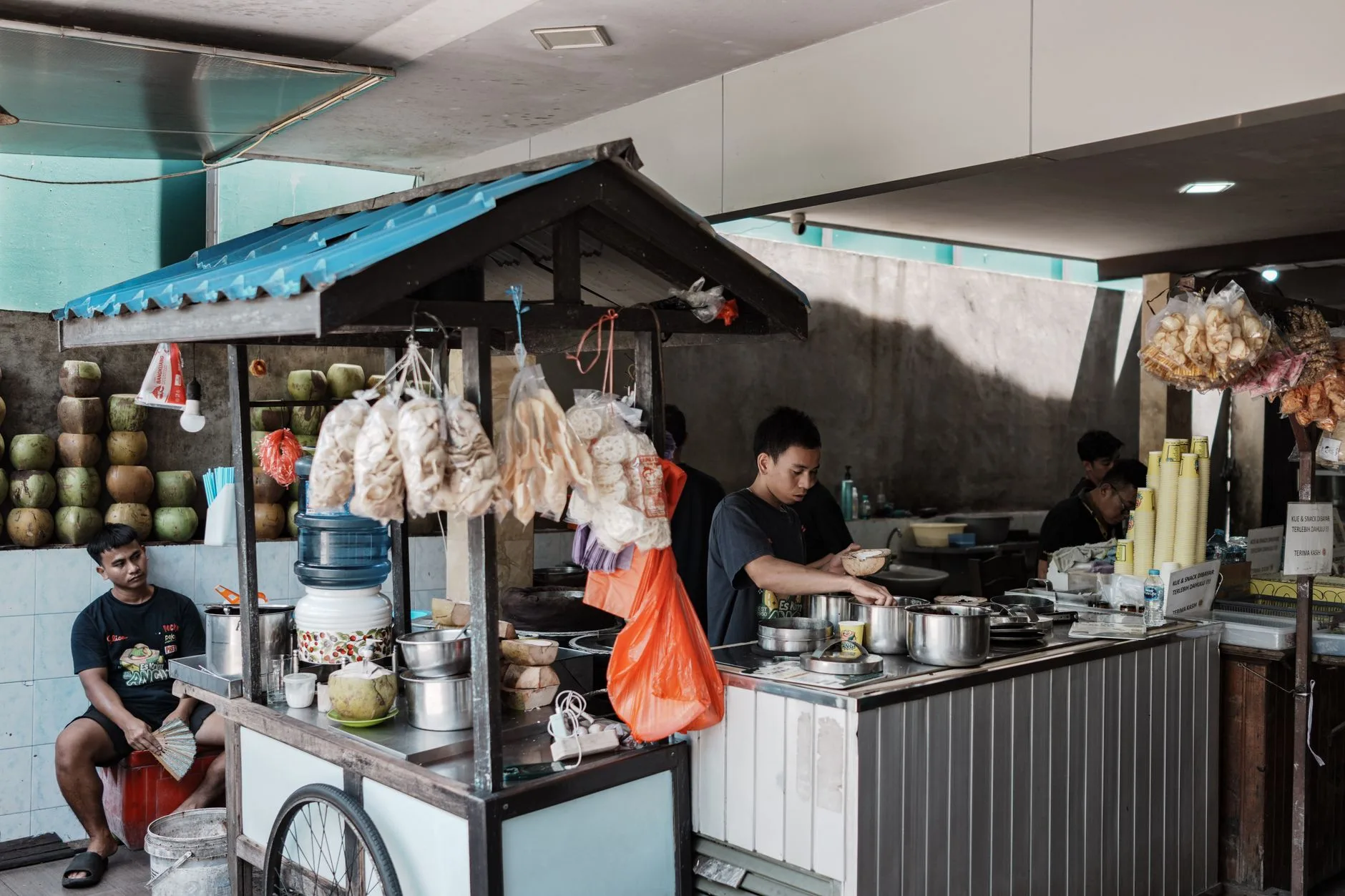
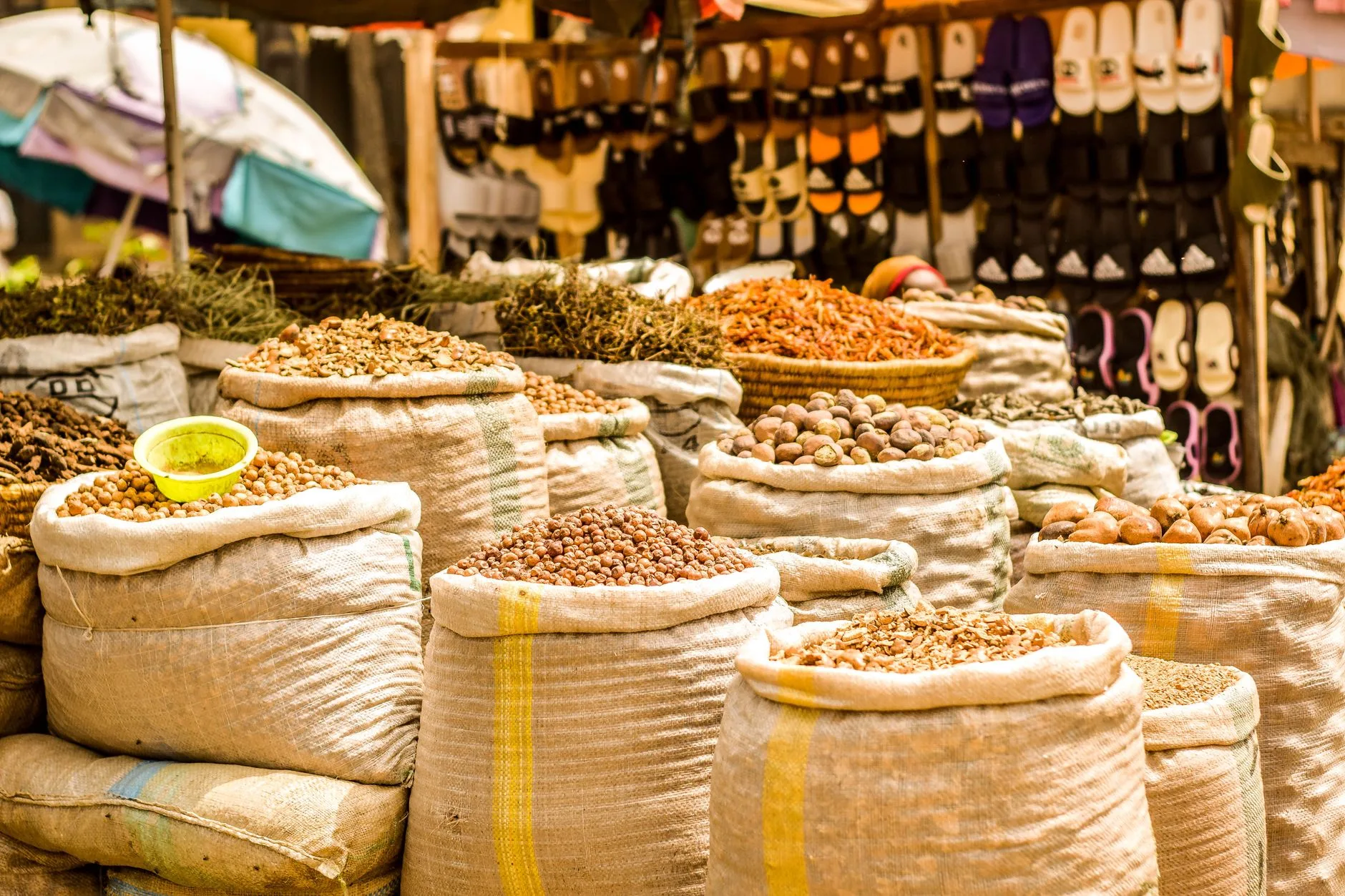
This condition makes sense. UMK generally buy ingredients in small quantities from distributors, agents, or intermediary traders. Their supply chain is short, but not always documented. When asked to trace the origin of ingredients, business actors have to contact parties who do not even know them directly.
The Decree of the Head of BPJPH Number 57 of 2021 on the Criteria for the Halal Product Assurance System places ingredients as one of five criteria. The other four criteria are commitment and responsibility, halal product process, product, and monitoring and evaluation. This means ingredients are not an administrative supplement. They are a core part of the system being assessed.
The ingredients that most often cause difficulty
Some ingredients have a status that depends on their source. Supplier documents are the deciding factor, not guesswork.
- Glycerin or glycerol (E422). A versatile humectant that can come from palm oil or from pork fat. The alternative is halal-certified vegetable glycerin, generally from palm oil or coconut.
- Shellac (E904). A glossy coating from the resin of the lac insect. Materially it is generally tolerated, but the process needs to be checked. The alternative is halal-certified shellac with verified solvents, or vegetable coatings such as pure carnauba wax.
- L-arginine and other amino acids. They can be the result of microbial fermentation or extraction from animal sources. What is needed is traceability documents from the supplier.
- Alcohol or ethanol. Its status depends on the source, level, and purpose of use. Documents on the source and verified level are required.
These ingredients appear in many UMK products: candy, moist cakes, supplements, fortified drinks, syrup medicines, and fruit coatings. The issue is not the ingredient itself, but the absence of written information about its origin.
Why supplier documents are hard to obtain
There are several recurring causes.
- Small suppliers do not have certificates. The ingredients purchased may indeed come from a clear source, but the supplier does not have a halal certificate for those ingredients.
- Suppliers change without records. UMK often buy from whichever supplier is available at the time. There is no systematic record of who supplied what and when.
- Ingredient names are not uniform. A single ingredient can be recorded under a trade name, a generic name, or an E-number code in different documents.
- Small purchase volumes. Large suppliers are sometimes reluctant to serve document requests for small-quantity purchases.
The Decree of the Head of BPJPH Number 243 of 2025 on Service Standards at BPJPH sets out 27 types of services along with requirements, timeframes, and tariffs, including the issuance of halal certificates and facilitation codes. This regulation provides certainty about procedures. However, it cannot replace ingredient documents that are simply not yet in the hands of business actors.
Steps that can be started now
The supplier document problem is not solved in one day, but it can be reduced little by little.
- Make a list of all ingredients used, including additive ingredients used in small amounts.
- For each ingredient, record the supplier name, contact number, and date of last purchase.
- Separate ingredients that already have a halal certificate from those that do not.
- Request a copy of the ingredient halal certificate from the supplier in writing, not verbally.
- Keep these documents together with purchase records, so they are not lost when suppliers change.
For UMK that fall into the low-risk category, the halal declaration scheme does shorten the stages. But that declaration still stands on clear ingredients. If the ingredients cannot be traced, the declaration loses its basis.
What to remember about authority
The determination of the halal status of a product is the authority of the MUI Fatwa Commission or the Halal Product Fatwa Committee. Halal certificates are only issued by BPJPH. Business actors do not determine the halal status of their own products, and this article does not state that a product is halal or haram. What business actors can do is prepare evidence: ingredient origin, supplier documents, and consistent process records.
For UMK, readiness is often not about large costs, but about tidy record-keeping. Well-kept supplier documents will cut a lot of time when the certification process is underway.
If your main confusion is about the halal declaration pathway for low-risk micro and small enterprises, the UMK Self-Declare Assistance service from IndoHalal.id can help map your ingredient and document readiness.