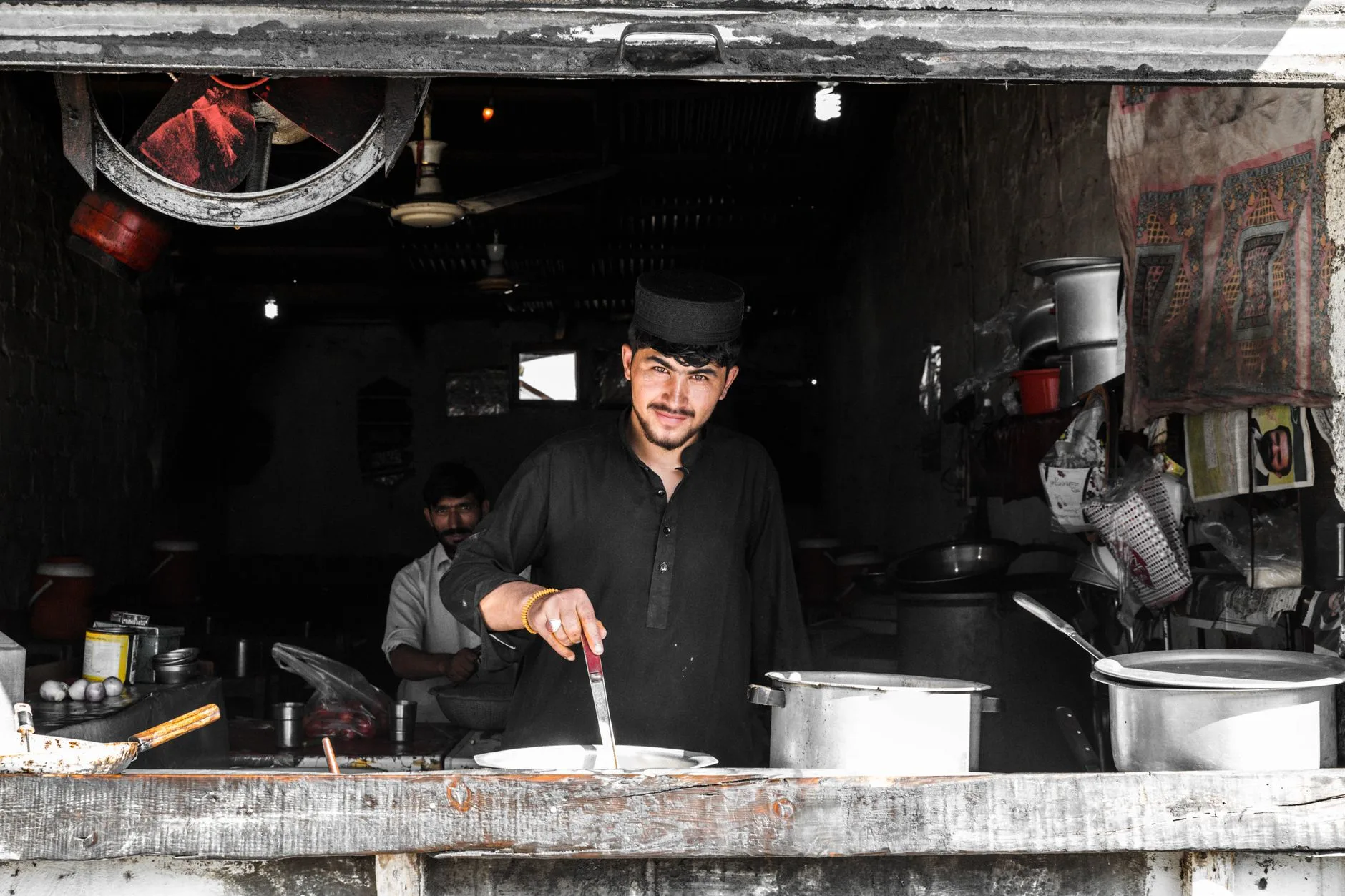
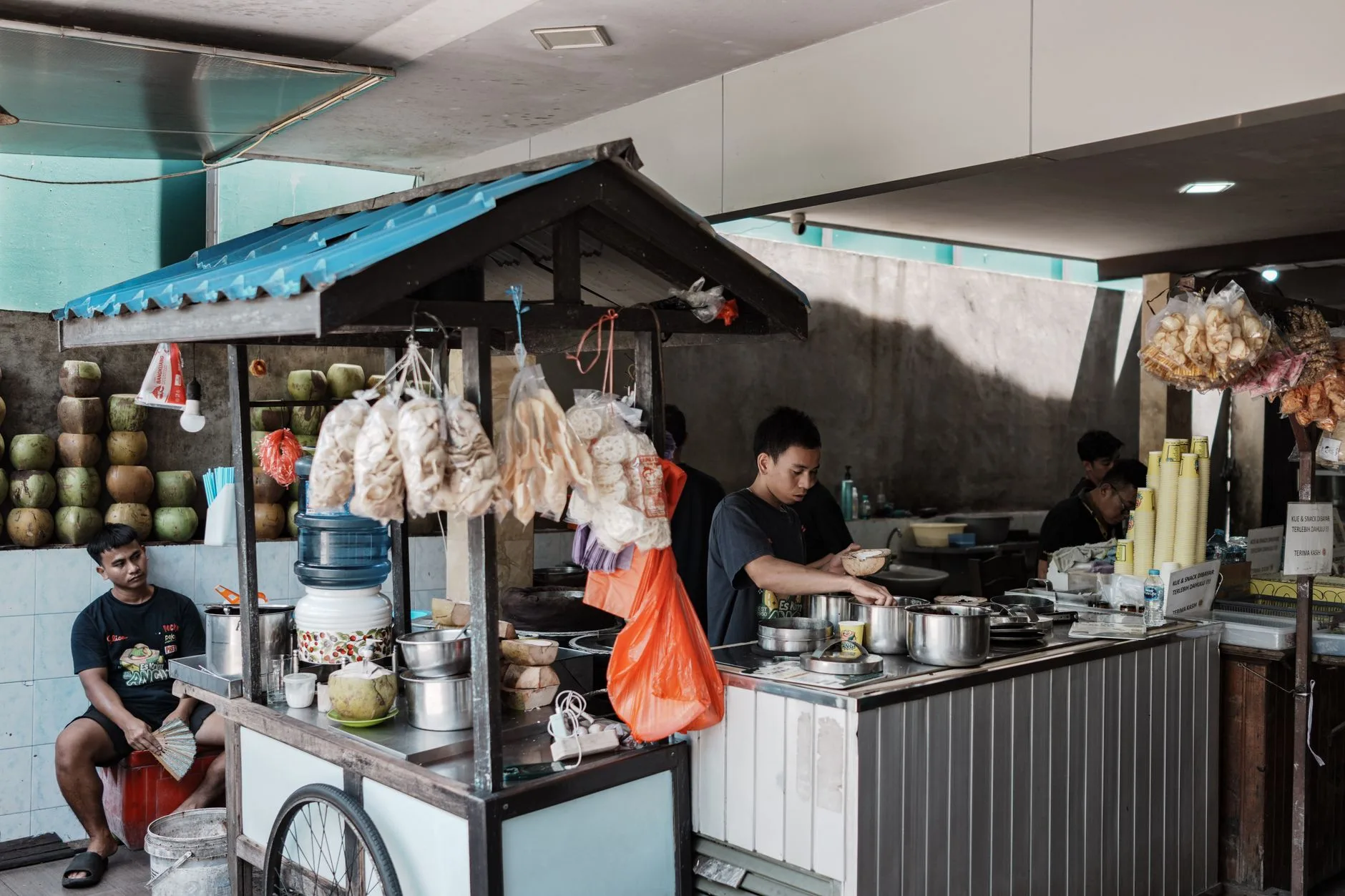
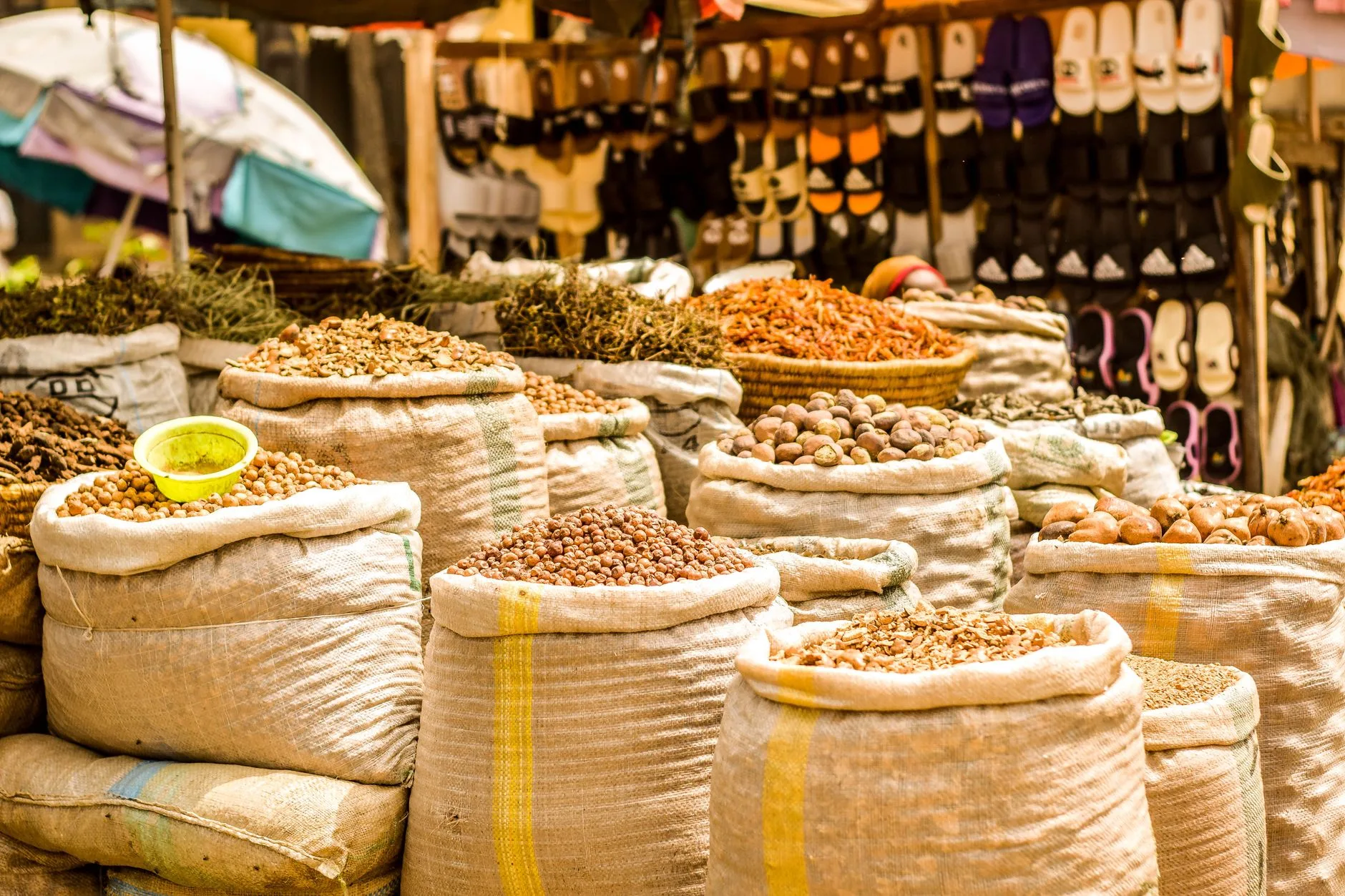
For micro and small business actors (UMK), the halal certification obligation is not merely an administrative matter. There is a fundamental issue that often arises: the quality and consistency of raw materials. Materials that change from one purchase to the next make the verification process complicated. This article discusses why this happens and the practical steps that can be taken.
Why raw material quality is a typical problem for MSMEs
MSMEs often buy materials in small quantities from suppliers that change frequently. When the supplier changes, the supporting documents and material specifications change as well. As a result, the material history becomes incomplete. Yet the halal product assurance system (SJPH) requires clear traceability of materials.
The Decree of the Head of BPJPH Number 57 of 2021 on SJPH Criteria places materials as one of five criteria. This means business actors must be able to show the origin and status of the materials used. If materials change without records, this criterion is difficult to meet.
Materials that look simple, whose critical points are not simple
Some materials commonly used by MSMEs turn out to contain critical points. Here are examples:
- Vitamin D3 from lanolin. Commercial vitamin D3 is often extracted from lanolin, which is sheep wool fat, not from slaughtered animals. Its status depends on the source. Alternatives are vitamin D3 from halal-certified lanolin or mushroom/yeast-based vitamin D2. This material is commonly found in fortified milk, supplements, and infant formula.
- Mechanically separated meat (MSM). Meat remnants from bones extracted by machine risk being mixed from various types of animals. A guarantee of a dedicated halal production line and a certificate from a certified slaughterhouse (RPH) are required. This material is common in sausages, nuggets, meatballs, and economical processed meat products.
- Taurine. This amino acid in energy drinks is now generally synthetic, but historically came from cattle bile. The alternative is synthetic taurine that has been halal-certified.
- Yeast. Generally halal, but the growth medium needs to be checked. Yeast with a halal-certified plant-based growth medium has generally become the modern industry standard.
The examples above show that materials that look ordinary can require further tracing. For MSMEs, limited information from small suppliers is often an obstacle.
Root of the problem: documentation and supplier relationships
The main problem is not the type of material, but the ability to trace the origin of the material. MSMEs that buy from traditional markets or small retailers often do not get adequate documents. When they have to fill out forms or face an inspection, they find it difficult to show evidence.
In addition, frequent supplier changes break the material history. Yet SJPH requires continuous monitoring and evaluation. Without neat records, this process becomes a heavy administrative burden.
Practical steps MSMEs can take
There are several steps that can be carried out without having to wait for a large system.
- Record every material purchase. Keep the supplier name, purchase date, and material specifications. Simple records are better than none.
- Request supporting documents. For risky materials, ask for written information from the supplier. If none is available, look for a supplier that can provide it.
- Group materials by risk. Animal-based materials and chemical additives need greater attention than plant-based materials whose status is clear.
- Take advantage of the halal declaration scheme. Law Number 6 of 2023 introduces the halal declaration scheme (self-declare) for MSMEs. This scheme simplifies the process, but still requires honesty and traceability of materials.
- Keep records tidy on a regular basis. Recheck every time there is a change of supplier or material.
These steps do not guarantee that a certificate will be issued, but they reduce the risk of findings during verification. The most important thing is consistency in recording and tracing.
The role of assistance and tools
Many MSMEs find it difficult to carry out record-keeping independently. This is where assistance plays a role. Assistants can help map materials, compile a supplier list, and prepare the necessary documents. In addition, the use of record-keeping applications can make it easier to manage the material registry and critical points.
Keep in mind that the determination of halal status is the authority of the MUI Fatwa Commission or the Halal Product Fatwa Committee, while the certificate is only issued by BPJPH. Therefore, the focus of MSMEs is to prepare evidence and a neat system, not to unilaterally ensure halal status.
Conclusion
The issue of raw material quality in MSMEs stems from untidy documentation and changing supplier relationships. The solution is not a major change, but the habit of recording, requesting documents, and grouping materials by risk. That way, the halal certification process becomes more measurable and less burdensome.
If you need help managing the material registry and critical points, the SJPH service — the Halal Product Assurance System Platform from IndoHalal.id can help tidy up your record-keeping and certification readiness.