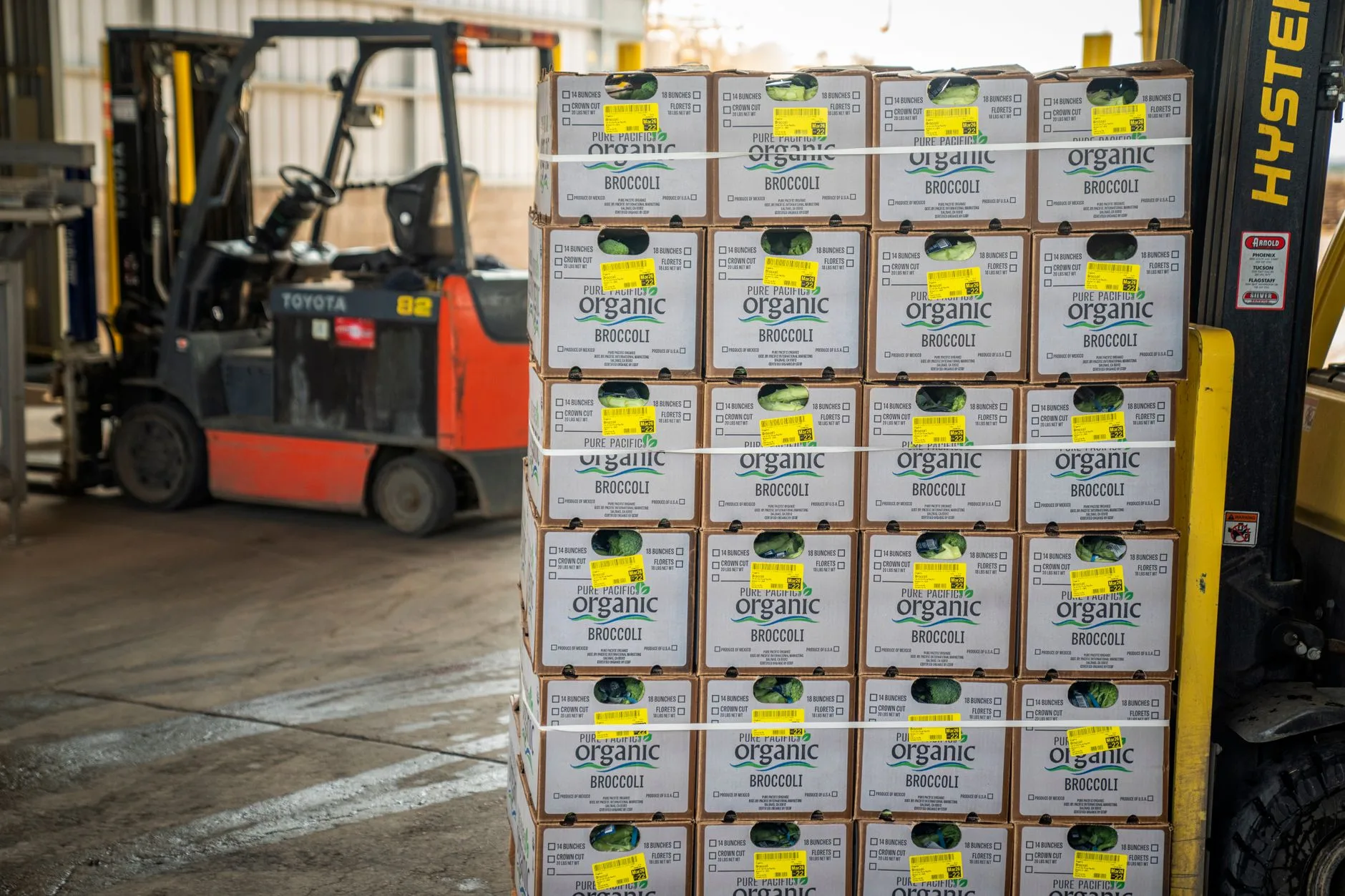
For export-oriented industries, halal certification is not just a matter of domestic compliance. It concerns product acceptance in destination markets. Importing countries with large Muslim populations often require auditable halal assurance. Therefore, the ability to trace the origin of ingredients becomes a determinant of competitiveness.
The Supporting Regulatory Framework
The obligation for halal certification is based on Law Number 33 of 2014 on Halal Product Assurance. This regulation governs the certification obligation, the establishment of BPJPH (Halal Product Assurance Agency), the role of LPH (Halal Inspection Agency), and the authority of MUI (Indonesian Ulema Council) in determining the halal status of products.
Law Number 6 of 2023 on the Enactment of Perppu Cipta Kerja into Law brings changes. This regulation simplifies the certification process, introduces a halal declaration scheme for UMK (micro, small, and medium enterprises), and opens the way for the Halal Product Fatwa Committee.
On the technical side, the Head of BPJPH Decision Number 78 of 2025 establishes guidelines for the accreditation of Halal Inspection Agencies. These guidelines cover requirements, Pratama and Utama qualifications, scope of competence, costs, application flow, surveillance, and witness assessment, with reference to SNI ISO/IEC 17065:2012.
Meanwhile, the Head of BPJPH Decision Number 243 of 2025 establishes 27 types of BPJPH services complete with requirements, timeframes, and tariffs. These services include LPH accreditation, registration of LP3H and PPH Assistants, issuance of halal certificates, and facilitation codes. This decision revokes Kepka 120/2022.
Why Critical Points of Ingredients Determine Exports
Buyers in export markets do not stop at the certificate. They trace the ingredient chain. The question that arises is simple: where does this ingredient come from, and can its origin be proven. If documents are incomplete, products risk rejection even though administratively the certificate already exists.
Several categories of ingredients need special attention because their status depends on the source.
Animal-Derived Ingredients
- Vitamin D3 from lanolin. Commercial vitamin D3 is often extracted from lanolin, which is sheep wool fat, not from slaughtered animals. The alternative is vitamin D3 from halal-certified lanolin, or mushroom/yeast-based vitamin D2. This ingredient is commonly used in milk and fortified dairy products, multivitamin supplements, and infant formula.
- Pepsin. This protein-digesting enzyme comes from pig or cattle stomach, and is used in the cheese and pharmaceutical industries. The alternative is pepsin from halal-certified cattle stomach, or microbial protease enzymes as a substitute. Its uses include cheese production, digestive enzyme supplements, and some pharmaceutical products.
- Gelatin capsule shells. This ingredient is the most frequently overlooked critical point. The alternative is vegetable capsules (vegetable capsule/HPMC — hydroxypropyl methylcellulose) or halal-certified bovine gelatin capsules. Its uses include prescription and over-the-counter drugs, vitamin supplements, and fish oil in softgel form.
Microbial Ingredients
- Microbial enzymes for food processing. A broad category of enzymes such as amylase, protease, and lipase that can be sourced from microbial, plant, or animal sources. The alternative is halal-certified microbial enzymes from fermentation, with source documents from suppliers. Its uses include glucose/fructose syrup, meat tenderizers, juice and cheese production, and dishwashing detergent for indirect contact.
Closing the Gap between Documents and Practice
The industry problem is often not the absence of a system, but the gap between documents and practice on the production line. The ingredient list is updated, but supplier documents are not. The formulation changes, but the ingredient registry does not. When the auditor comes, that gap becomes visible.
Therefore, companies need to treat critical points of ingredients as part of quality management, not as administrative work before an audit. Every ingredient with source-dependent status must have traceable supporting documents, and every supplier change must be recorded.
It must be emphasized that the determination of halal status is the authority of the MUI Fatwa Commission or the Halal Product Fatwa Committee. Certificates are only issued by BPJPH. Companies do not determine the halal status of their own products, but rather prepare evidence that their systems and ingredients can be accounted for.
System Readiness as Export Capital
For exporting industries, the readiness of the halal product assurance system has a direct impact on market access. Strict destination markets demand traceability, not just declarations. Companies that can consistently demonstrate the origin of ingredients are better prepared to face additional document requests from buyers.
This also explains why the halal declaration scheme for UMK and the regular pathway for large industries cannot be treated the same. The complexity of the supply chain determines the depth of proof required.
The practical steps rest on three things: an up-to-date ingredient registry, complete supplier documents, and routinely conducted internal audits. All three ensure that when certification or buyer requests come, the company does not need to build evidence from scratch.
To help companies manage the criteria of the Halal Product Assurance System in an integrated manner, IndoHalal.id provides SJPH — a platform that handles halal policy, ingredient registry, critical points, internal audit, and BPJPH certification readiness in one application.