Unpacking Critical Points of Ingredients and How to Trace Them
The halal critical point of an ingredient is not always the ingredient itself, but its origin and process. Get to know four examples of ingredients and how to trace them.
The critical halal points of ingredients are not always in the ingredient itself, but in its origin and processing. Learn how to trace them down to supplier documents.
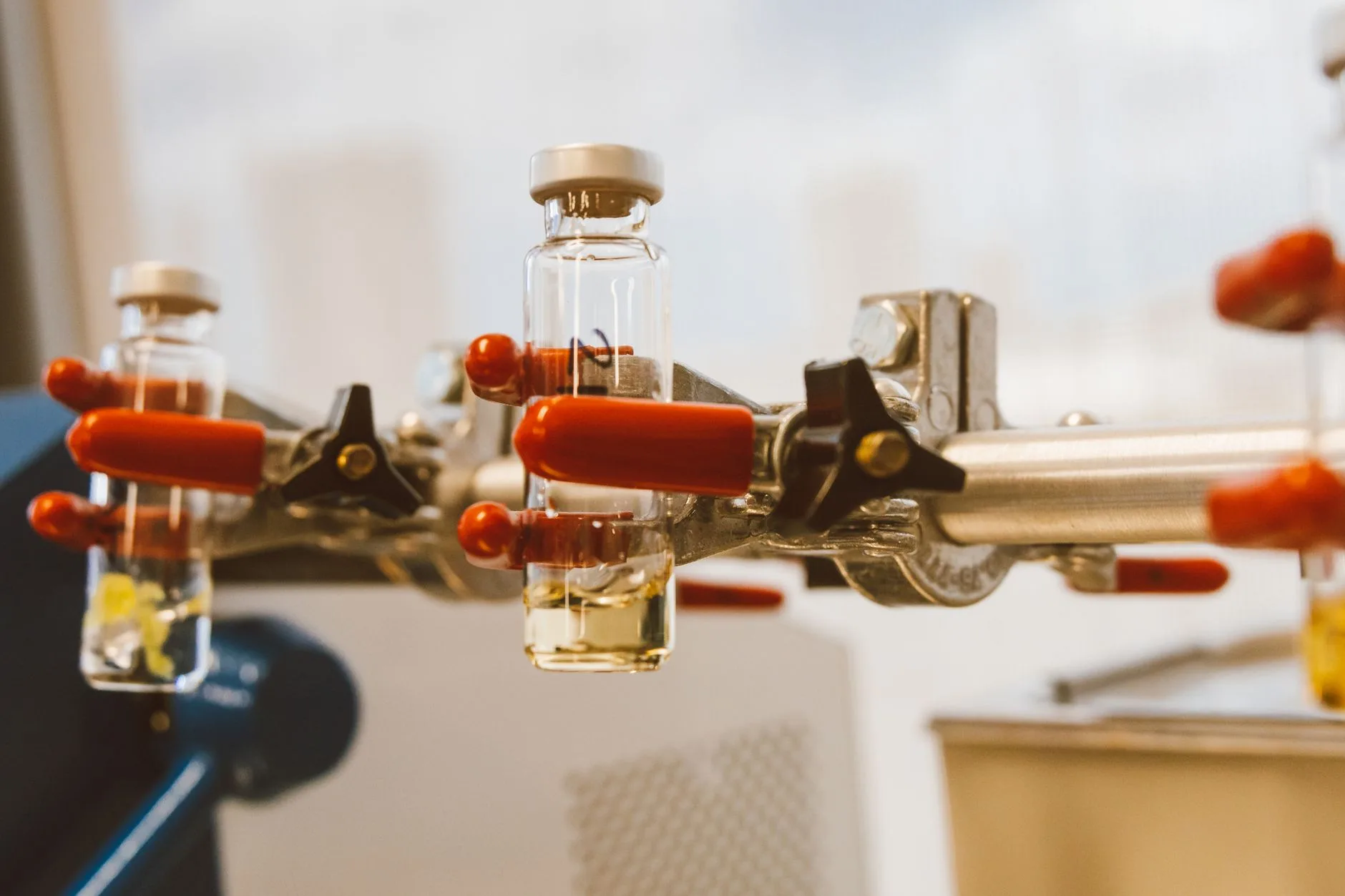
In halal certification, critical points of ingredients are the part that most often demands attention. This is because the halal status of an ingredient cannot always be judged from its name. Tracing is needed down to the source and the production process.
Critical points are conditions or ingredients that potentially contain elements that are not halal or whose origin is unclear. This potential arises because ingredients can come from animal, microbial, or certain chemical processes. Some ingredients can also come from different sources, so their status depends on the supplier.
Halal product assurance regulations in Indonesia place ingredient inspection as an important part. Law Number 33 of 2014 on Halal Product Assurance regulates the obligation of halal certification and the role of the Halal Inspection Agency (LPH). Meanwhile, Government Regulation Number 42 of 2024 regulates the procedures for establishing and the scope of LPH activities, as well as the appointment of Halal Auditors. The determination of product halalness itself is the authority of the MUI Fatwa Commission or the Halal Product Fatwa Committee, and certificates are only issued by BPJPH.
Some ingredients have a status that is not automatically halal or haram. Their status depends on the origin of the ingredient. Here are several examples that are often encountered.
Gelatin for the shells of medicine and supplement capsules is a critical point that is often overlooked by consumers. This ingredient can come from animals. The alternative is vegetable capsules (vegetable capsule/HPMC — hydroxypropyl methylcellulose) or halal-certified bovine gelatin capsules. Their use covers prescription and over-the-counter medicines, vitamin supplements, and fish oil in softgel form.
Enzyme categories such as amylase, protease, and lipase can come from microbial, plant, or animal sources. Therefore, their status depends on the source. The alternative is halal-certified microbial enzymes from fermentation, with source documents from the supplier. Enzymes are used in glucose/fructose syrup, meat tenderizers, juice and cheese production, and even dishwashing detergent for indirect contact.
Glycerin is a versatile humectant that can come from palm oil (halal) or pork fat (haram). The alternative is halal-certified vegetable glycerin, generally from palm or coconut oil. This ingredient is widely used in toothpaste, syrup medicine, cosmetics, candy, moist cakes, and food preservatives.
Albumin comes from egg white. It is generally halal, but still needs to be verified as free from non-halal mixtures. No alternative is needed; ensure the label explicitly states "egg albumin/albumen." Albumin is used in bakery products such as meringue and macaron, processed meat products, and certain pharmaceutical products.
Tracing critical points is not merely reading the ingredient names on the label. A systematic approach down to supplier documents is needed. Here are the steps that can be carried out.
Good tracing does not stop at a single purchase. It becomes part of a halal product assurance system that runs continuously. That way, if there is a change in the source of ingredients, business actors can immediately adjust their documents and processes.
The obligation of halal certification is regulated in Law 33/2014 and further elaborated in PP 42/2024. The groups of products that must be halal-certified are stipulated through Minister of Religious Affairs Decree Number 748 of 2021, which was later amended by KMA 944/2024. Meanwhile, the Head of BPJPH Decree Number 243 of 2025 sets the BPJPH service standards, including requirements, timeframes, and service tariffs.
In practice, business actors need to understand that the determination of halalness is not done by themselves. The determination of halalness is the authority of the MUI Fatwa Commission or the Halal Product Fatwa Committee. Halal certificates are only issued by BPJPH. Therefore, tracing critical points of ingredients is an effort to prepare evidence and systems, not to unilaterally determine halal status.
By tracing critical points with discipline, business actors can reduce the risk of non-compliant ingredients. This step also facilitates the certification process and maintains product consistency in the market.
The halal critical point of an ingredient is not always the ingredient itself, but its origin and process. Get to know four examples of ingredients and how to trace them.
The halal critical points of ingredients are not always visible in the ingredient name. Proper tracing starts from the source and process through to supporting documents.
These three ingredients are common on packaging labels, but their halal status depends on the source and supplier documents. Tracing them requires a systematic approach.
The first consultation costs nothing. Median reply under 15 minutes during business hours.
Ask certified halal consultants and auditors directly.
Jawaban konsultan bersifat panduan teknis. Penetapan kehalalan produk adalah kewenangan Komisi Fatwa MUI atau Komite Fatwa Produk Halal, dan sertifikat halal hanya diterbitkan oleh BPJPH.