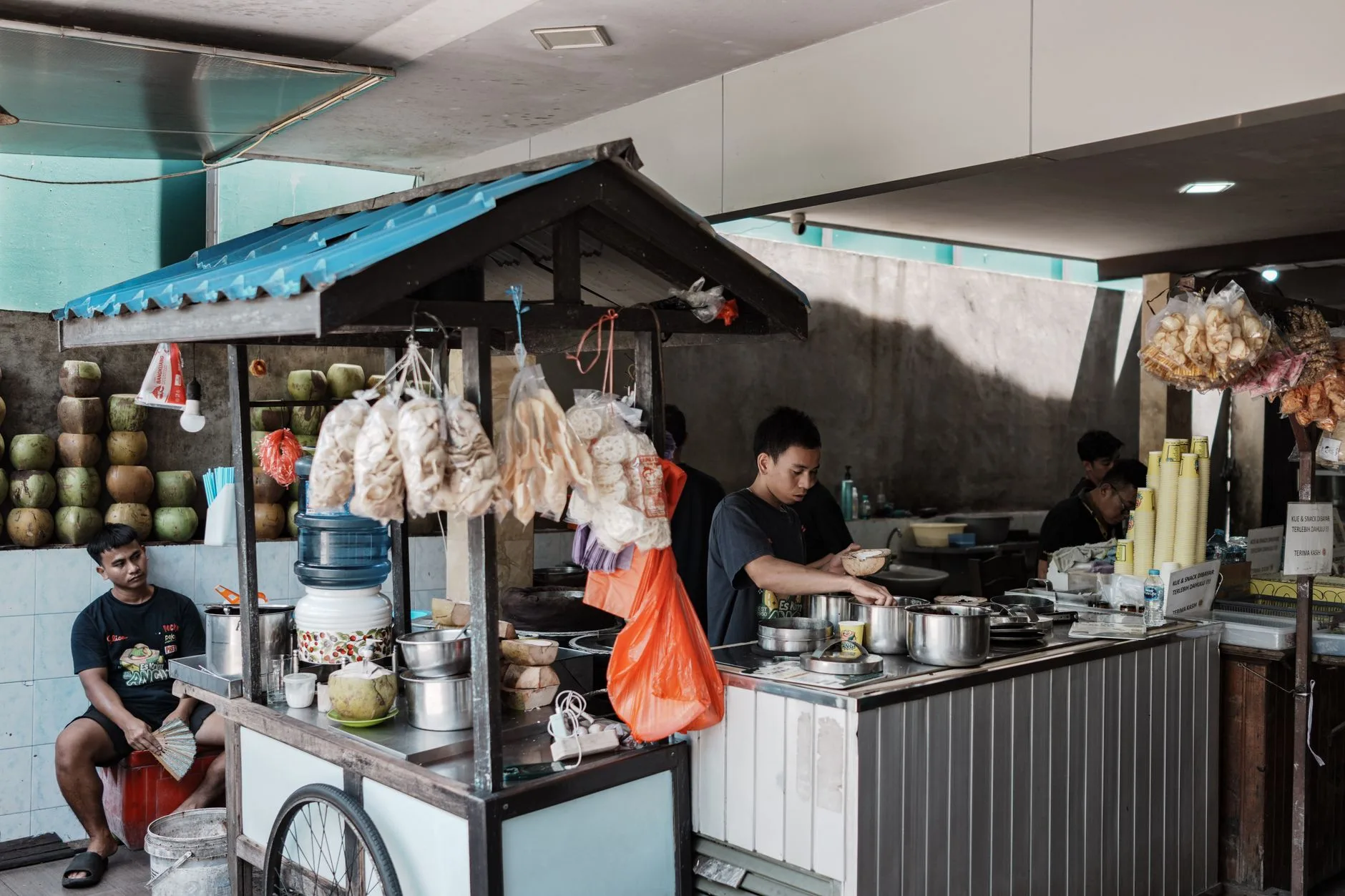
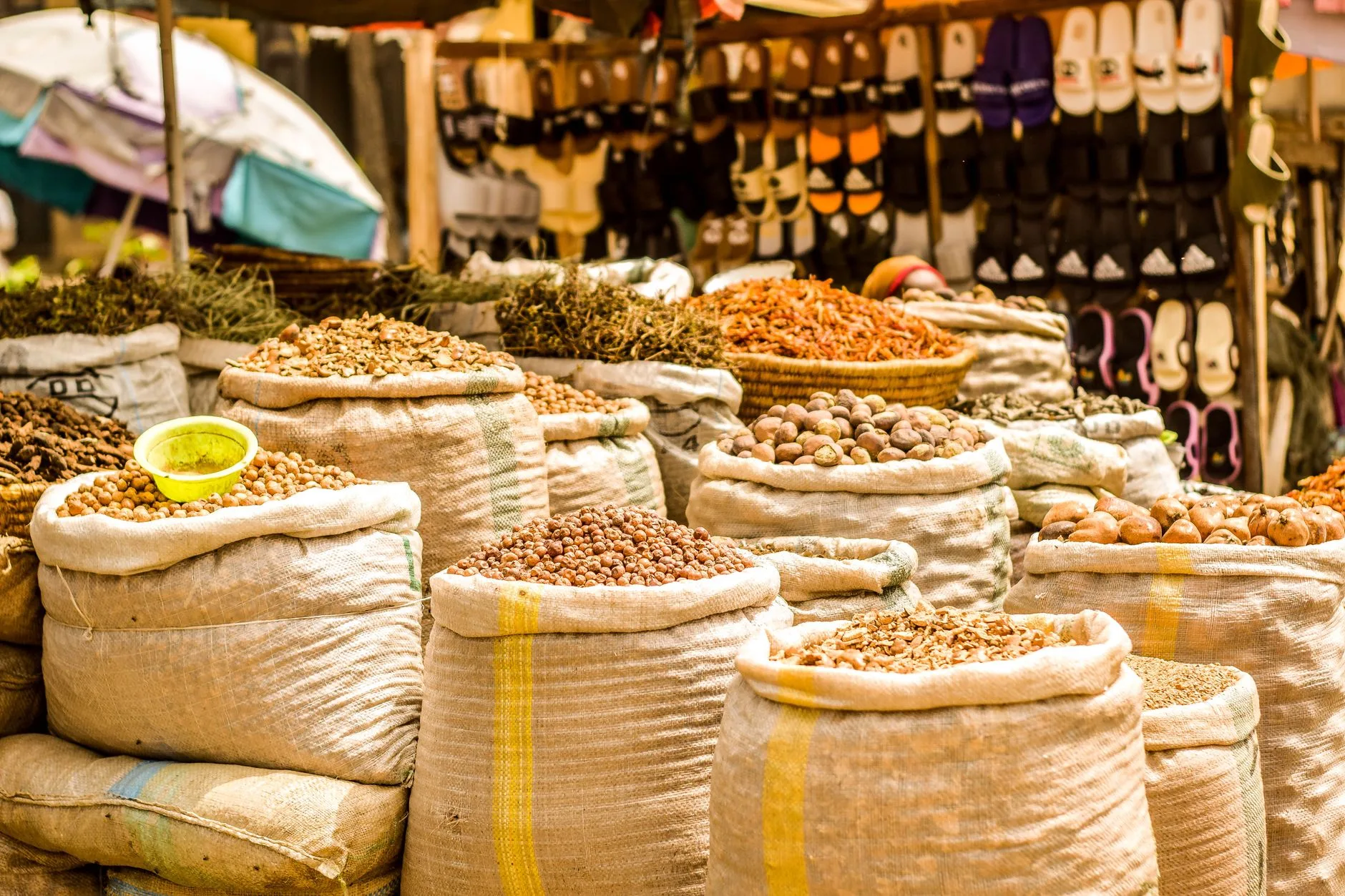
The halal certification obligation applies gradually to product groups stipulated in KMA 748/2021, which was later amended by KMA 944/2024. For micro and small business actors, the question that often arises is not only about cost or supplier documents, but about how to fulfill that obligation with limited resources. This article discusses the typical problems of MSEs from the perspective of commitment and systems, not merely from an administrative standpoint.
The framework that must be met
The main reference for implementing the Halal Product Assurance System (SJPH) on the business actor side is the Head of BPJPH (Halal Product Assurance Agency) Decree Number 57 of 2021, which was amended by Kepka 20/2023. This reference contains five criteria: commitment and responsibility, materials, halal product processes, products, and monitoring and evaluation.
These five criteria are interrelated. MSEs that focus on only one criterion, for example materials, will still face problems when they must prove that their system is running. The examination does not stop at the list of materials, but at evidence that there is a policy, there is implementation, and there is evaluation.
Commitment that stops on paper
The first criterion requires commitment and responsibility. In practice at MSEs, commitment often takes the form of a written statement made to fulfill a form. The problem is that this commitment is not always translated into policies understood by the people in the field.
In small businesses, decisions about materials and processes are usually held by the owner or one trusted person. When that person is absent, practices in the field can deviate without being recorded. This is the typical form of the commitment problem: not the absence of intention, but the absence of a mechanism that keeps that intention running.
Materials and critical points that demand careful attention
The materials criterion requires clarity on the origin and status of every material used. A number of materials are classified as critical points because their status depends on the source. Glycerin or glycerol (E422), for example, can come from palm oil or from pork fat. Pepsin can come from pig or cattle stomachs. Taurine historically came from cattle bile, although it is now generally synthetic. Shellac (E904) comes from the resin of the lac insect, and its process needs to be checked.
For MSEs, the problem is not only knowing that a material is a critical point, but having documents that explain its source. Halal alternatives are available, such as halal-certified plant-based glycerin, pepsin from halal-certified cattle stomachs or microbial protease enzymes, certified synthetic taurine, and halal-certified shellac or plant-based coatings. However, switching suppliers is not a simple matter for businesses with small volumes and long-standing trading relationships.
Process and product: consistency that is difficult to maintain
The halal product process criterion requires clear separation from materials or processes that do not meet the requirements. At MSEs, limited space and equipment make separation a challenge in itself. Washing, storage, and production scheduling practices need to be arranged so that they are not mixed.
The product criterion requires clarity that the products produced are as stated. Here, consistency between formula, label, and production reality becomes important. Unrecorded changes in materials can cause the system to lose track.
Monitoring and evaluation: the most frequently overlooked criterion
The monitoring and evaluation criterion requires periodic checks and follow-up. This is the most fragile part at MSEs. Without dedicated personnel, monitoring is easily delayed. Without records, evaluation loses its basis.
Yet it is this criterion that proves the system is running, not merely designed. Internal audits and simple record-keeping are the tools that keep the system alive. Without them, the system becomes merely a pile of documents that does not reflect daily practice.
The role of halal supervisors and system strengthening
The competence of personnel who run the SJPH is a need that cannot be ignored. Halal supervisors play a role in keeping the five criteria running, including when the business owner is not present. Training and mentoring are the way to build that competence.
Government Regulation Number 42 of 2024 regulates the implementation of the halal product assurance field, including the procedures for establishment, accreditation, and scope of activities of Halal Inspection Bodies (LPH), as well as the appointment and dismissal of Halal Auditors. The Head of BPJPH Decree Number 78 of 2025 serves as the guideline for LPH accreditation. This framework shows that the inspection ecosystem is built gradually, and business actors need to adjust the readiness of their systems.
It should be emphasized that the determination of halalness is the authority of the MUI (Indonesian Ulema Council) Fatwa Commission or the Halal Product Fatwa Committee, and certificates are only issued by BPJPH. Therefore, what MSEs can do is build a system that can be inspected, not ensure the outcome of the determination.
Reasonable steps for MSEs
- Translate commitment into a brief written policy that everyone in the business understands.
- Record every material, including those classified as critical points, along with its source and supporting documents.
- Arrange separation and process scheduling so that they are not mixed.
- Schedule periodic monitoring and keep the records.
- Prepare personnel who understand the SJPH and are able to keep the system running.
The problems of MSEs in halal certification do not stop at cost or documents. The more fundamental problem is building a commitment that runs and a system that can be proven. To help manage the five SJPH criteria more orderly, IndoHalal.id provides an SJPH platform that covers halal policy, material registry, critical points, internal audit, and BPJPH certification readiness.