Unpacking Critical Points of Ingredients and How to Trace Them
The halal critical point of an ingredient is not always the ingredient itself, but its origin and process. Get to know four examples of ingredients and how to trace them.
Halal critical points are rarely visible in ingredient names. They hide in growth media, solvents, and fat sources that are not listed on the label.
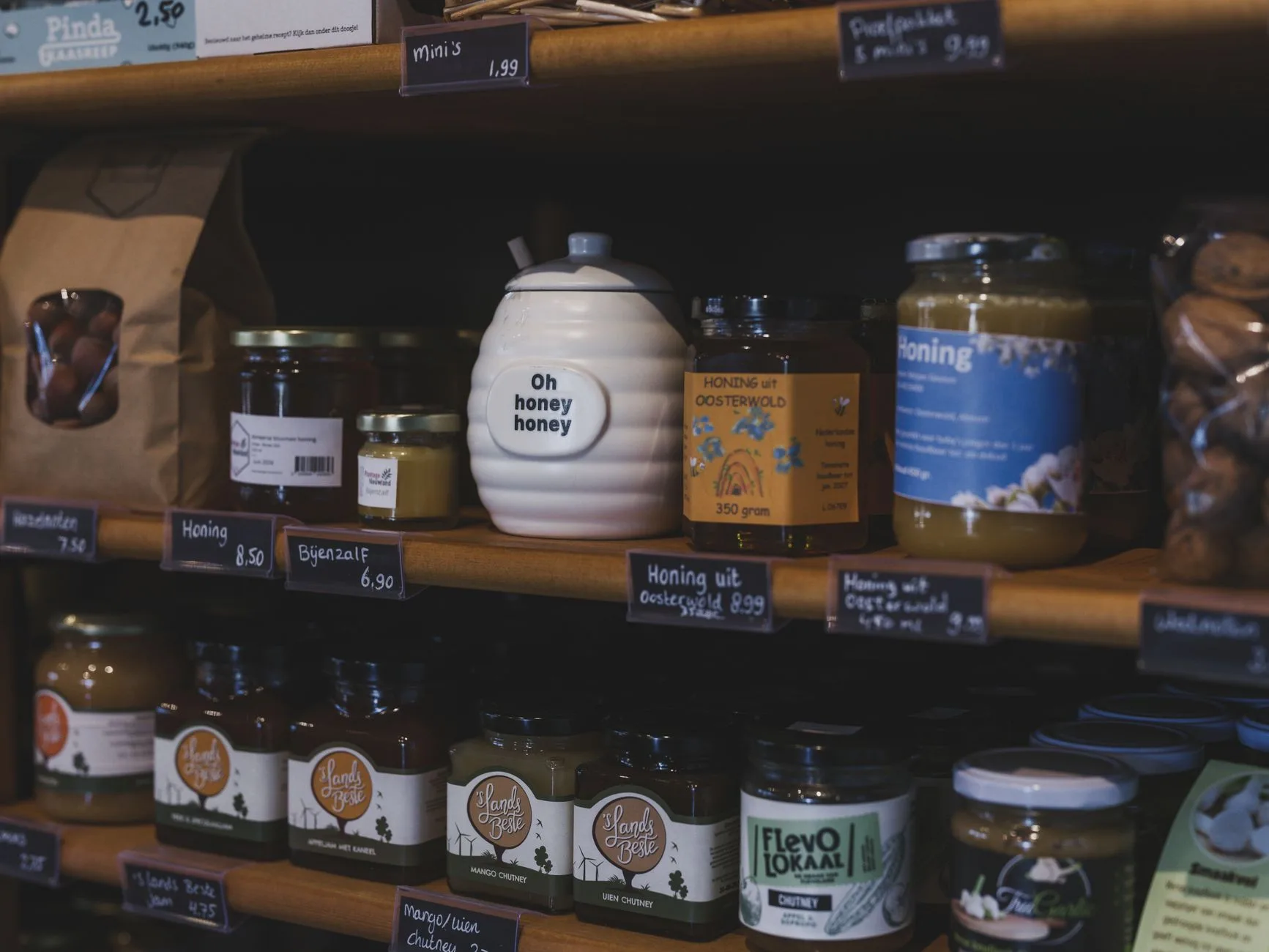
Ingredient names on labels rarely tell much. What determines halal status is usually not the name itself, but what is used to make it. There are three pathways that most often become critical points: growth media, solvents, and fat sources.
An ingredient can appear neutral yet come from two different production pathways. One pathway uses plant-based inputs, another uses animal-based inputs or alcohol. Because the final result is technically similar, both can enter the supply chain under the same name.
This is where the Head of BPJPH Decree Number 57 of 2021 on the Criteria for the Halal Product Assurance System places ingredients as one of five criteria. This means businesses cannot simply list ingredient names. They need to trace the origin and method of production.
The clearest example is yeast. In general, yeast is a fermentation microorganism whose status is halal. The issue is not the microorganism itself, but the media used to grow it. That media can be plant-based, or it can use other inputs.
Modern industry generally uses plant-based growth media. However, it still needs to be confirmed, especially when yeast is used in fermented products such as bread, non-alcoholic beer, or other fermented products. Instant yeast for household packaging also falls into the group that needs to be checked.
Vanilla extract is an example that is rarely realized. Natural vanilla is extracted with ethanol as a solvent, and that has become an industry standard. Its halal status then depends on the source and intended use of that solvent.
The same pathway appears in perfumes and fragrance ingredients. Cosmetic fragrances generally use high-alcohol solvents. Besides solvents, these ingredients also potentially contain animal musk. Two critical points in one ingredient.
Alternatives that can be traced: vanilla powder, synthetic vanillin, or water- or glycerin-based vanilla extract that is halal-certified. For fragrances, there are non-alcoholic perfumes or halal-certified synthetic musk.
Stearic acid and magnesium stearate, with codes E470 and E572, are anti-caking agents in tablets and powders. These ingredients can come from palm oil, or they can come from animal fat. The function is the same, the code is the same, the origin is not necessarily the same.
These ingredients are commonly used in medicinal tablets and supplements, instant drink powders, and compact powder cosmetics. Halal-certified plant-based alternatives generally come from palm oil.
Tracing ingredient origins is technical work on the business side. Determining the halal status of a product is the authority of the MUI Fatwa Commission or the Halal Product Fatwa Committee, and certificates are only issued by BPJPH. Therefore, tracing results should be treated as examination material, not as a final conclusion.
The obligation framework itself is regulated in Law Number 33 of 2014 on Halal Product Assurance, with the latest amendment through Law Number 6 of 2023. The groups of products required to be halal-certified along with their phasing are stipulated through Minister of Religious Affairs Decree Number 748 of 2021, which was later amended by KMA 944/2024.
Ingredient critical points rarely take the form of forbidden ingredients. They more often take the form of unanswered questions: what media is used, what solvent is used, where the fat comes from. Those three questions close most of the gaps in yeast, vanilla extract, perfume, and stearate.
To tidy up this tracing, the ingredient registry and critical point marking can be managed through SJPH — Platform Sistem Jaminan Produk Halal from IndoHalal.id, which covers halal policy, ingredient registry, critical points, internal audit, and BPJPH certification readiness.
The halal critical point of an ingredient is not always the ingredient itself, but its origin and process. Get to know four examples of ingredients and how to trace them.
The halal critical points of ingredients are not always visible in the ingredient name. Proper tracing starts from the source and process through to supporting documents.
These three ingredients are common on packaging labels, but their halal status depends on the source and supplier documents. Tracing them requires a systematic approach.
The first consultation costs nothing. Median reply under 15 minutes during business hours.
Ask certified halal consultants and auditors directly.
Jawaban konsultan bersifat panduan teknis. Penetapan kehalalan produk adalah kewenangan Komisi Fatwa MUI atau Komite Fatwa Produk Halal, dan sertifikat halal hanya diterbitkan oleh BPJPH.