Unpacking Critical Points of Ingredients and How to Trace Them
The halal critical point of an ingredient is not always the ingredient itself, but its origin and process. Get to know four examples of ingredients and how to trace them.
Halal critical points are not always in the raw materials, but in the process and their origin. Learn how to trace four examples of ingredients that are often overlooked.
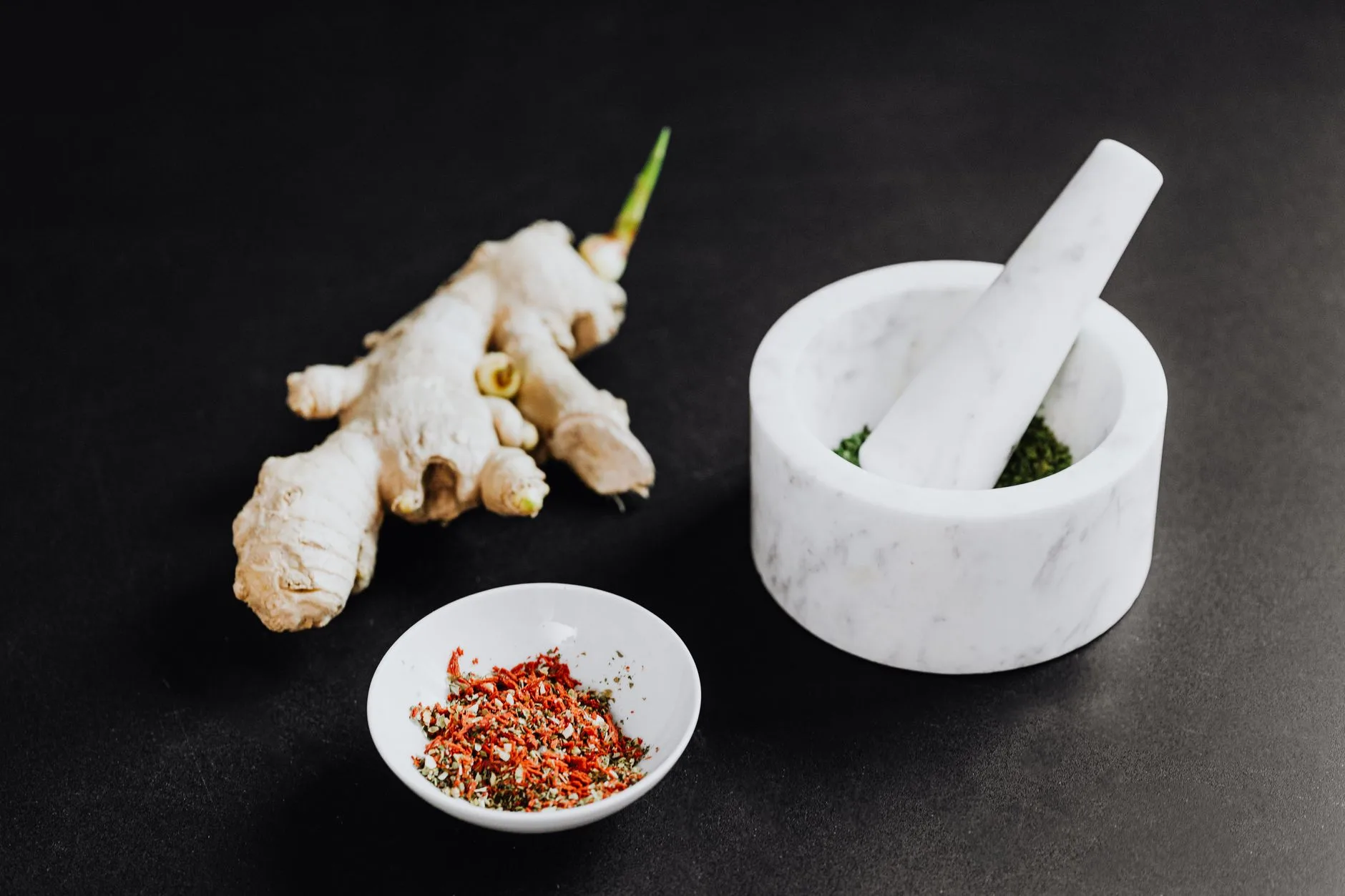
The halal status of a product is not determined by its raw materials alone. Often the critical point lies in the processing method or the origin of auxiliary materials not listed on the label. Businesses need to dissect ingredients one by one, then trace them back to the supplier.
The criteria of the Halal Product Assurance System (SJPH) are set out in the Decree of the Head of BPJPH Number 57 of 2021, as amended by Kepka 20/2023. One of the criteria is ingredients. This means businesses must know the origin and status of every ingredient that goes into a product, including ingredients that are naturally halal but whose processing may change that.
The common approach is to dissect ingredients by risk category. Animal-derived materials, alcohol derivatives, and auxiliary materials are the main concerns. However, a status of “depends on the source” does not automatically mean haram. That status indicates the need for tracing.
Isinglass is a clarifying agent made from fish swim bladders. It is commonly used in beer and wine, and in some packaged juices. Its source is animal, so its status depends on the source. For non-alcoholic beverage products, plant-based clarifying alternatives such as bentonite or carrageenan are available.
These milk derivatives are halal in themselves. The critical point lies in the production process of the source cheese, which may use animal rennet. Whey and caseinate are widely used in powdered formula milk, protein drinks, bread and bakery products, and processed cheese. The alternative is whey or caseinate from producers that state the use of microbial rennet or halal-certified animal rennet.
Propolis comes from bees and its source is halal. However, its extraction process generally uses high-concentration ethanol. This ingredient is used in immune supplements, herbal mouthwash, and traditional wound care products. Traceable alternatives are water-based propolis extract (water-based or glycerin-based extract) or alcohol-free propolis powder.
Vanilla extract is a natural vanilla flavoring whose industry standard uses ethanol as the extraction solvent. This ingredient is used in cakes, pudding, ice cream, and premium coffee or chocolate drinks. The alternatives are vanilla powder, synthetic vanillin, or halal-certified vanilla extract with a water/glycerin solvent.
Tracing critical points is not a one-time job. A systematic, auditable step is required. The following is a sequence that can be carried out.
The determination of a product's halal status is the authority of the MUI Fatwa Commission or the Halal Product Fatwa Committee. Halal certificates are only issued by BPJPH. Therefore, the results of internal tracing serve as evidence of system readiness, not as a determination of halal status.
The certification process involves an accredited Halal Inspection Agency (LPH). LPH accreditation refers to SNI ISO/IEC 17065:2012, which governs impartiality, confidentiality, personnel competence, and complaint and appeal management. The procedures for the establishment, accreditation, and revocation of LPH approval are set out in Government Regulation Number 42 of 2024.
On the business side, Law Number 6 of 2023 simplifies the certification process and introduces a halal declaration (self-declare) scheme for UMK. This scheme still requires system readiness, including ingredient tracing.
Dissecting the critical points of ingredients is a decisive first step. Without documented tracing, the “depends on the source” status of isinglass, whey, propolis, or vanilla extract will remain a gap. Businesses can close that gap through ingredient mapping, requesting supplier documents, and consistent cross-verification.
To manage all SJPH criteria, including the ingredient registry and critical points, IndoHalal.id provides an SJPH platform that helps businesses organize evidence and certification readiness in an integrated way.
The halal critical point of an ingredient is not always the ingredient itself, but its origin and process. Get to know four examples of ingredients and how to trace them.
The halal critical points of ingredients are not always visible in the ingredient name. Proper tracing starts from the source and process through to supporting documents.
These three ingredients are common on packaging labels, but their halal status depends on the source and supplier documents. Tracing them requires a systematic approach.
The first consultation costs nothing. Median reply under 15 minutes during business hours.
Ask certified halal consultants and auditors directly.
Jawaban konsultan bersifat panduan teknis. Penetapan kehalalan produk adalah kewenangan Komisi Fatwa MUI atau Komite Fatwa Produk Halal, dan sertifikat halal hanya diterbitkan oleh BPJPH.