Unpacking Critical Points of Ingredients and How to Trace Them
The halal critical point of an ingredient is not always the ingredient itself, but its origin and process. Get to know four examples of ingredients and how to trace them.
Halal critical points are not always visible on the label. Businesses need to trace the origin of ingredients, solvents, and production media one by one.
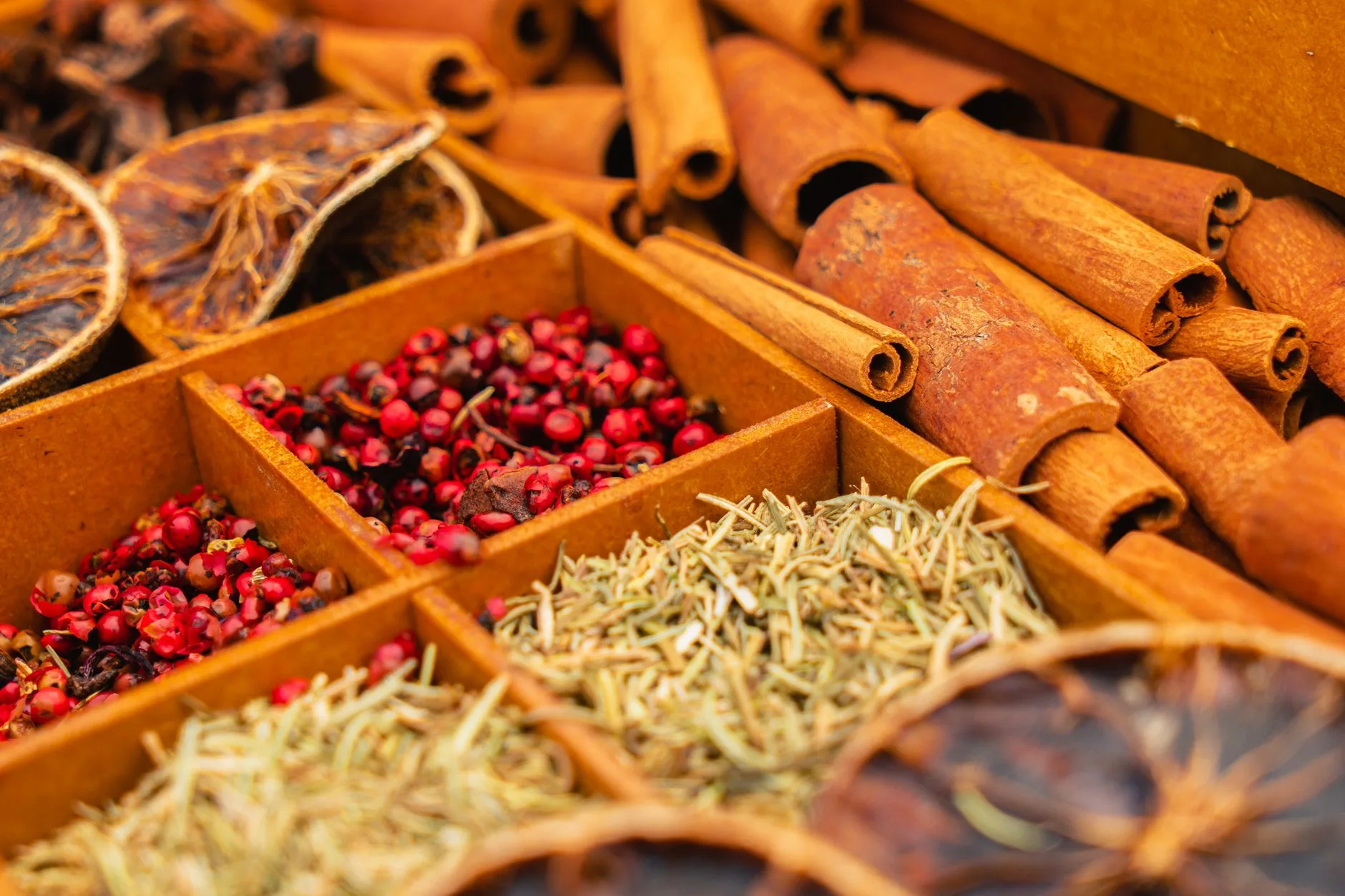
Many businesses assume that the halal status of a product can be judged simply from the ingredient list on the packaging. In reality, an ingredient may appear neutral but harbor critical points in its origin, solvent, or production media. Tracing critical points means examining ingredients down to their source, not stopping at their name.
Halal critical points are parts of the production chain that could potentially render an ingredient non-halal. This potential arises from three main things: the origin of the ingredient, processing aids, and the processing method. Even an ingredient classified as halal can be affected if it comes into contact with any of these three.
The Head of BPJPH (Halal Product Assurance Agency) Decree Number 57 of 2021 on the Criteria for the Halal Product Assurance System places ingredients as one of the five criteria of SJPH (Halal Product Assurance System). This means businesses are required to have traceable ingredient records, not merely a list of names.
The following four ingredients show that critical points are not uniform. Each demands different tracing questions.
Pepsin is a protein-digesting enzyme from the stomach of pigs or cattle, used in the cheese and pharmaceutical industries. Its halal status depends on the source. The questions that need to be asked: from what animal does this enzyme come, and was that animal slaughtered according to the requirements? Alternatives are pepsin from the stomach of halal-certified cattle or microbial protease enzymes.
Whey and caseinate are milk derivatives that are themselves halal. The critical point is not in the milk, but in the manufacturing process of the source cheese, which may use animal rennet. The questions: what rennet is used, and does the producer disclose it? An easier option to trace is whey or caseinate from producers that state the use of microbial rennet or halal-certified animal rennet.
Vanilla extract is a natural vanilla flavor whose industry standard uses ethanol as the extraction solvent. The critical point lies in the solvent, not in the vanilla. Tracing questions: what solvent is used, and at what concentration? Clearer alternatives are vanilla powder, synthetic vanillin, or vanilla extract with water or glycerin solvent that is halal-certified.
Carmine is a natural red dye from the cochineal insect. Its status is classified as syubhat (doubtful) because scholars differ on its halal status. Therefore, tracing does not stop at the origin of the ingredient but continues to the legal determination. Plant-based red dyes such as beet, anthocyanin, or lycopene can be substitutes.
A tidy tracing follows the same sequence for each ingredient. Here are the steps that can be carried out.
The sixth step is important because critical points are often hidden in ingredients that are not given specific names. Generic names such as flavor, emulsifier, or enzyme can represent ingredients with different origins between suppliers. Therefore, one generic name cannot be sufficiently answered with one general answer.
Tracing critical points relies on documents. Without supplier records, businesses can only guess. Therefore, it is important to build the habit of requesting written statements from suppliers from the start, not just before an audit.
Government Regulation Number 42 of 2024 on the Implementation of Halal Product Assurance regulates the procedures for establishment, accreditation, scope of activities, and revocation of LPH (Halal Inspection Agency) approval, as well as the appointment and dismissal of Halal Auditors. For businesses, this regulation emphasizes that ingredient inspection is carried out by competent and impartial parties. The SNI ISO/IEC 17065:2012 standard referenced in LPH accreditation regulates impartiality, confidentiality, personnel competence, and complaint and appeal management.
Law Number 6 of 2023, which enacted the Job Creation Perppu into law, simplifies the certification process and introduces a halal statement scheme for UMK (Micro and Small Enterprises). This simplification does not remove the obligation to trace ingredients. It only cuts the administrative path.
Tracing critical points is not a one-time job. Suppliers can change, formulas can change, and solvents can be replaced without notice. Therefore, tracing needs to be updated regularly and recorded in an auditable system.
It should be emphasized that the determination of the halal status of a product is the authority of the MUI Fatwa Commission or the Halal Product Fatwa Committee. Halal certificates are only issued by BPJPH. Tracing critical points is the task of businesses to prepare correct data, not to unilaterally determine the halal status of an ingredient.
If you want to organize an ingredient registry, mark critical points, and prepare audit readiness in one place, the SJPH platform from IndoHalal.id can help manage it in a structured way.
The halal critical point of an ingredient is not always the ingredient itself, but its origin and process. Get to know four examples of ingredients and how to trace them.
The halal critical points of ingredients are not always visible in the ingredient name. Proper tracing starts from the source and process through to supporting documents.
These three ingredients are common on packaging labels, but their halal status depends on the source and supplier documents. Tracing them requires a systematic approach.
The first consultation costs nothing. Median reply under 15 minutes during business hours.
Ask certified halal consultants and auditors directly.
Jawaban konsultan bersifat panduan teknis. Penetapan kehalalan produk adalah kewenangan Komisi Fatwa MUI atau Komite Fatwa Produk Halal, dan sertifikat halal hanya diterbitkan oleh BPJPH.