Home Services All Services App Gallery Consultation Start a Consultation Consultants Certification Tools Verify Critical Points Certification Simulator Directory Insights Regulations News Training FAQ About Search
Start Consultation Sign in Sign up
Industry & Export

The Global Halal Market and Indonesia's Lopsided Share

The world's largest Muslim population, yet only around 3% of global halal trade.

R
Redaksi IndoHalal
August 13, 2026 · 1 min read
821
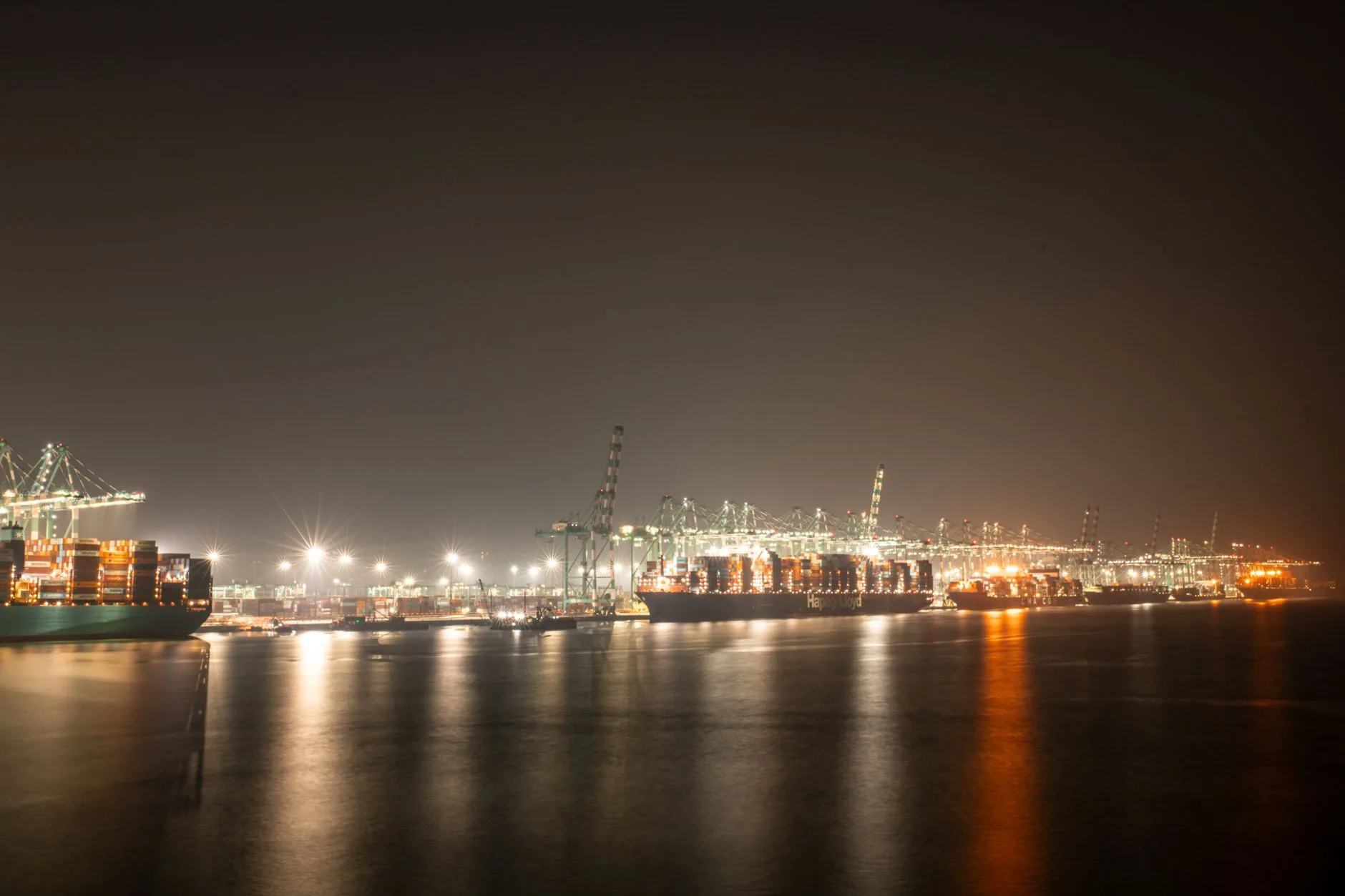
Luminous night view of a bustling industrial port with cargo ships.

The global halal industry grows 8–10% a year, is worth more than USD 3 trillion, and is projected to reach USD 4.96 trillion by 2030. Indonesia — with roughly 242.6 million Muslims and estimated domestic halal spending above Rp11,182 trillion — holds only about 3% of world halal trade.

Why the gap

Most Indonesian businesses are oriented to the domestic market, and Indonesian halal certificates are not automatically recognised in every destination country. Exporters must satisfy the halal authority of the destination — JAKIM in Malaysia, the relevant authority in the UAE, HAK in Türkiye, or the SFDA in Saudi Arabia.

What exporters need to prepare

  1. An active Indonesian halal certificate as the foundation.
  2. A mapping of destination-country requirements, including whether Indonesian halal bodies are recognised there.
  3. Documentation ready in English or Arabic.
  4. A traceability system that can be audited from upstream to downstream.

The most open sectors

Processed food, spices and seasonings, natural-ingredient cosmetics, and processed fishery products see consistent demand across the Middle East and East Asia.

If export is your plan, map the destination requirements before you produce for that market. Reformulating after production has started is far more expensive.

Related Articles

Halal Consultation

The first consultation costs nothing. Median reply under 15 minutes during business hours.

Ask certified halal consultants and auditors directly.

Jawaban konsultan bersifat panduan teknis. Penetapan kehalalan produk adalah kewenangan Komisi Fatwa MUI atau Komite Fatwa Produk Halal, dan sertifikat halal hanya diterbitkan oleh BPJPH.