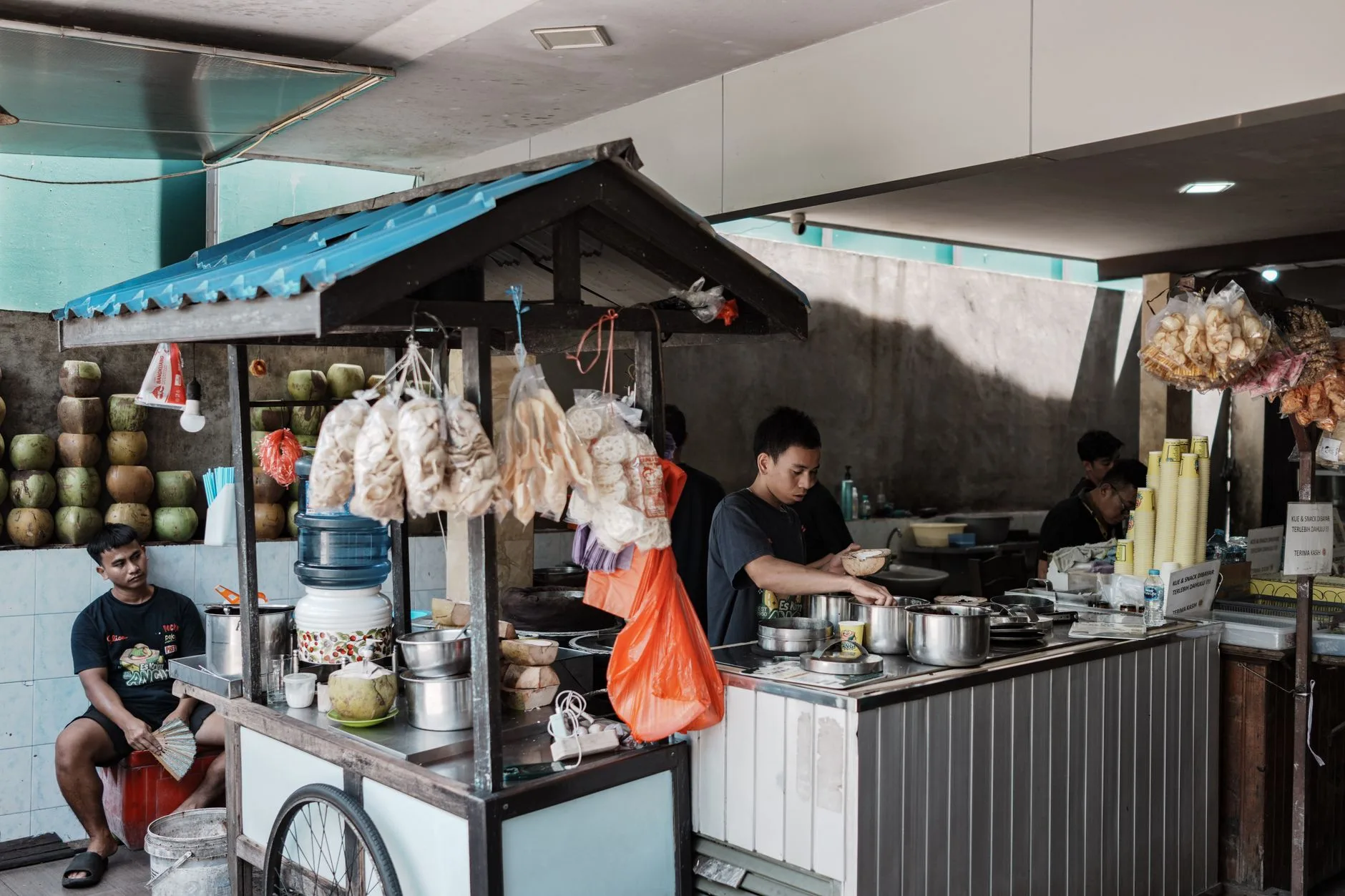
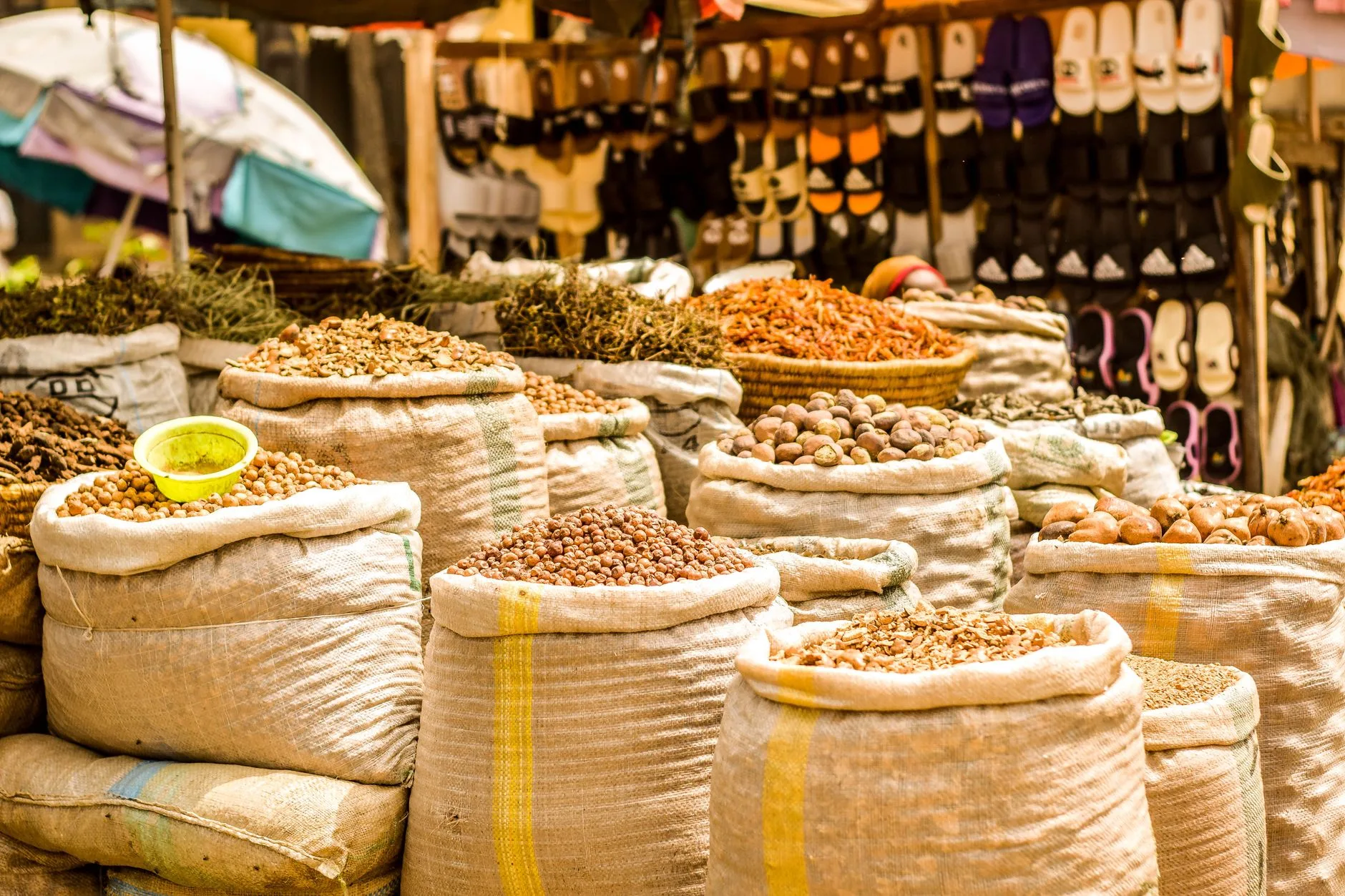
The halal certification obligation is regulated in Law Number 33 of 2014 on Halal Product Assurance. This regulation established BPJPH (the Halal Product Assurance Agency), governs the role of LPH (Halal Inspection Agencies), and places the determination of halal status as the authority of MUI (the Indonesian Ulema Council). For business actors, this obligation is not merely a matter of ingredients, but also of system readiness that must be demonstrated.
For micro and small enterprises (UMK), the typical problem often arises not from intention, but from the ability to keep the system running. The ingredients may already be clear, but without well-organized policies, procedures, and records, the certification process becomes more burdensome.
Ingredients that seem safe, a system that is not yet ready
Many MSMEs already use ingredients that are generally unproblematic. However, halal certification demands more than that. Business actors need to show that the ingredients used are consistent, traceable, and supported by adequate documents.
For example, ingredients whose critical points depend on their source. Flavorings often use alcohol solvents and their base may be animal-derived. Rennet for cheese may be animal-derived or microbial. Commercial vitamin D3 is often extracted from lanolin. Gelatin is halal only if its source and slaughtering are clear. Ingredients like these require tracing, not mere assumption.
The MSME problem is when an ingredient's supplier has changed but the records have not been updated. Or when the same ingredient is used for several products, but the supporting documents are not stored properly. At this point, system readiness becomes the determining factor.
A halal policy that does not stop at the wall
The Halal Product Assurance System (SJPH) covers halal policy, ingredient registry, identification of critical points, internal audits, and certification readiness. For MSMEs, these documents can feel administrative. In fact, their function is to ensure that what is done daily matches what is promised.
A halal policy that is not understood by the people handling production will easily be overlooked. An ingredient registry that is not updated will lose its usefulness. Identification of critical points that is never reviewed will become a formality. This is where MSMEs need to place the system as a working tool, not a pile of files.
Limited personnel and time
MSMEs often have small teams. One person may hold several functions at once. Preparing documents, tracing ingredients, and maintaining production records become an additional burden amid daily operations. As a result, system readiness is often delayed.
This problem is not always solved by adding people. What is more needed is a simple and consistent way of working. For example, recording every incoming ingredient along with its supporting documents, reviewing critical points periodically, and keeping internal audit evidence. These small steps help MSMEs maintain readiness without disrupting production.
The role of assistance and available pathways
The regulation provides room for MSMEs to take a suitable pathway. Minister of Religious Affairs Decree Number 748 of 2021 on Types of Products Required to Be Halal Certified, as amended by KMA 944/2024, sets out product groups and their phasing. This means the obligation does not always come all at once, but still needs to be prepared.
For MSMEs, assistance can help them understand what is really needed. Not merely completing files, but ensuring the system runs. Good assistance helps business actors see weak points, improve records, and prepare relevant evidence.
It should be noted that the determination of halal status is the authority of the MUI Fatwa Commission or the Halal Product Fatwa Committee. Certificates are only issued by BPJPH. Therefore, system readiness is not meant to replace the halal determination, but to ensure that the products submitted are indeed supported by accountable governance.
Start from what is closest
MSMEs do not need to wait for everything to be perfect. What can be started is tidying up the ingredient registry, ensuring supplier documents are stored, and reviewing critical points for the most frequently used ingredients. From there, policies and procedures can be built following practices that are already running.
The typical MSME problem in halal certification is indeed not only about ingredients. The problem is system readiness that must be maintained amid limitations. With a simple and consistent approach, that readiness can be built little by little.
If you need help organizing SJPH criteria, the SJPH platform from IndoHalal.id can help manage halal policy, ingredient registry, critical points, and internal audits in a single application.