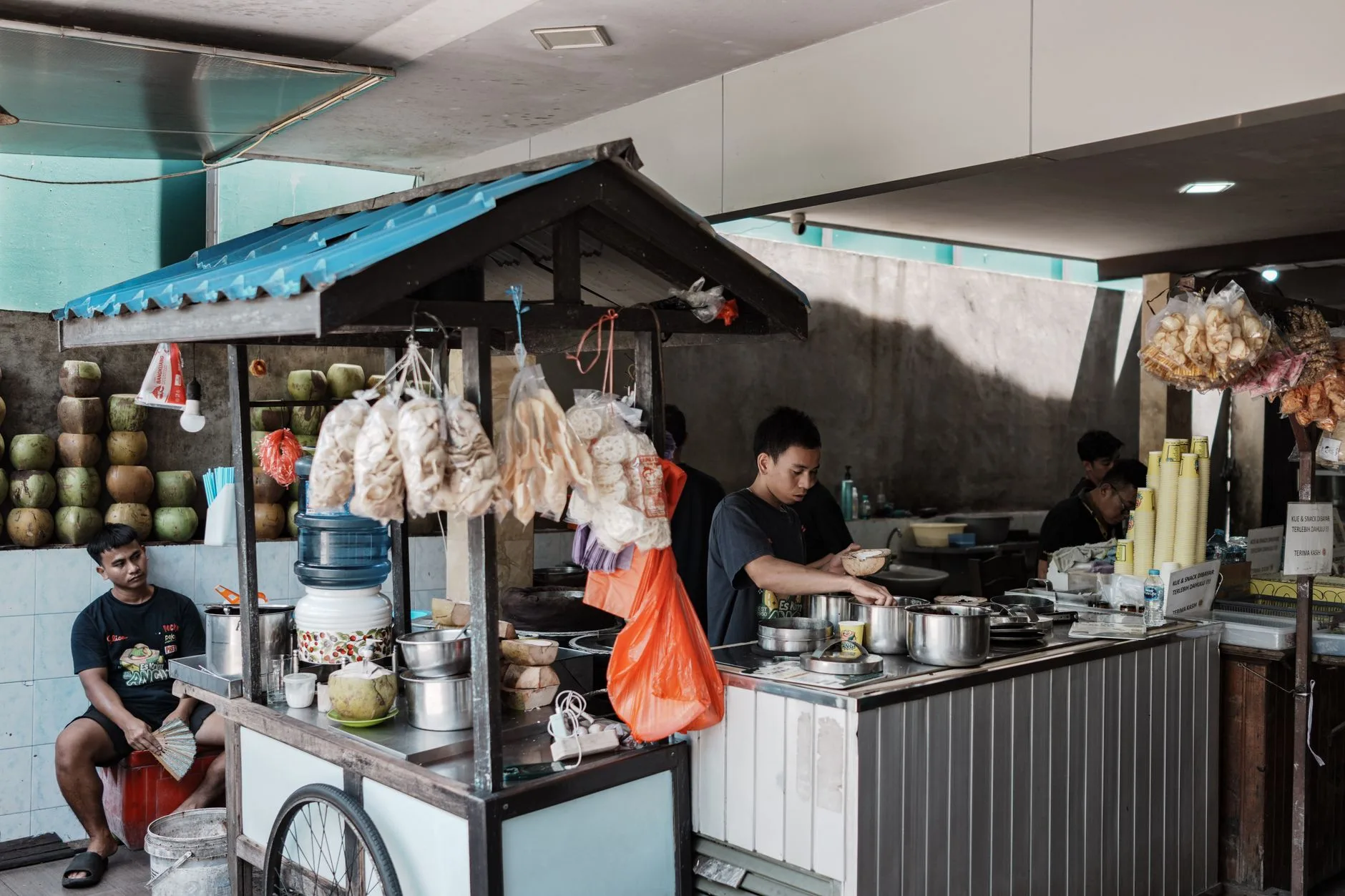
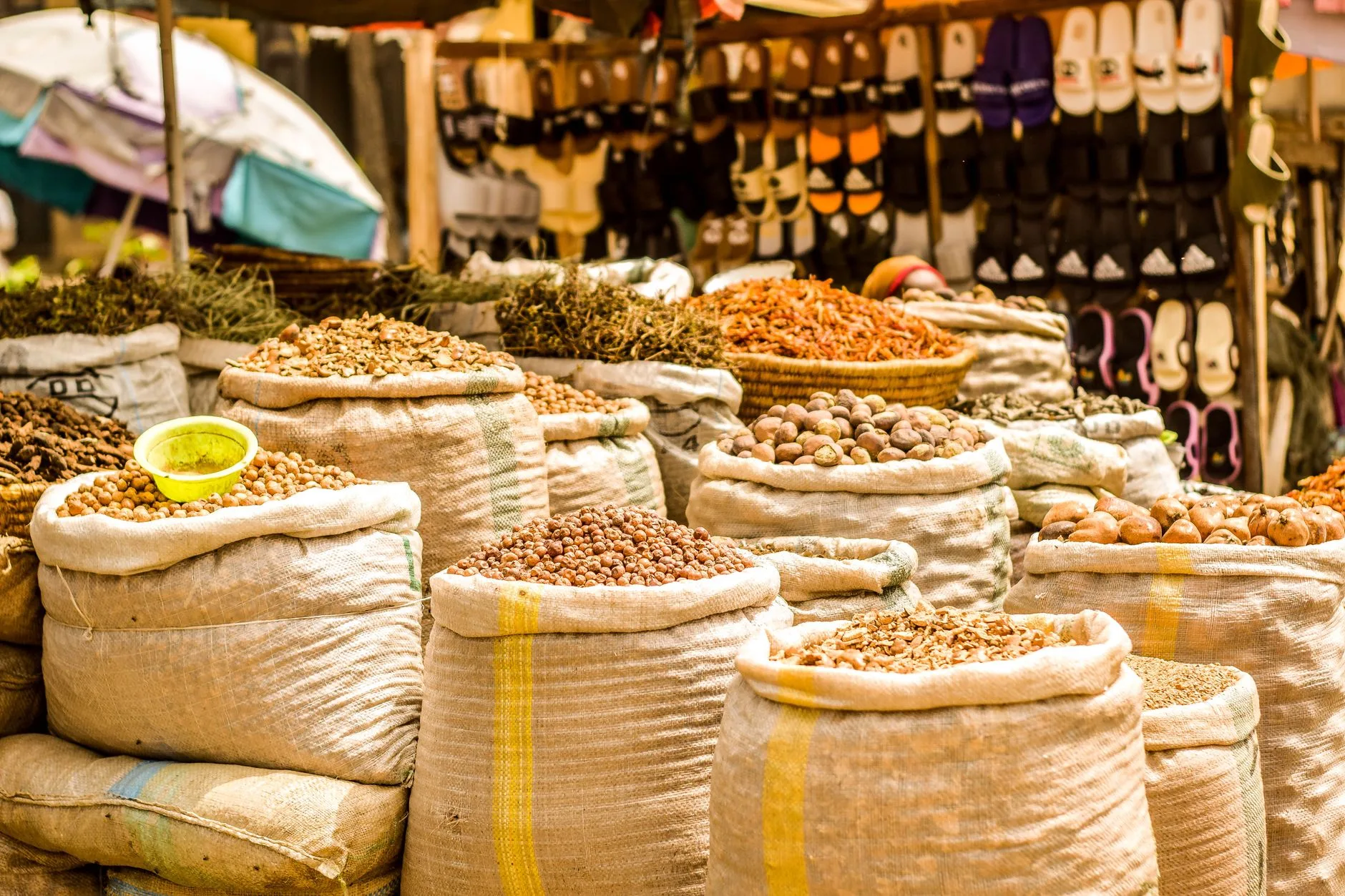
For micro and small enterprises (UMK), the halal certification obligation is not merely an administrative matter. The first problem usually arises from raw materials. Everyday materials are not necessarily free from critical points. This is where MSMEs often get stuck.
Why raw materials are a typical problem for MSMEs
MSMEs generally buy materials from small suppliers or markets. Documents on the origin of materials are rarely available. Information on composition is often limited to the packaging label. Yet, to apply for halal certification, business actors need to know the origin of materials and their processing.
Law No. 6 of 2023 simplifies the certification process and introduces a halal statement scheme (self-declare) for MSMEs. However, that simplification does not remove the need to understand materials. Any scheme still requires clarity on the origin of the materials used.
Critical points that often arise in MSME production kitchens
The following materials are often used by MSMEs and their origin needs to be checked.
- Stearic acid or magnesium stearate (E470, E572). An anti-caking agent in tablets, supplements, instant drink powders, and pressed powder cosmetics. Its source can be palm oil or animal fat. The alternative is a halal-certified plant-based version, generally from palm oil.
- Flavoring. Used in soft drinks, snacks, candy, flavored dairy products, and instant noodles. The solvent is often alcohol, and the base can be animal-derived. The alternative is halal-certified flavoring with plant-based solvents and plant-based or microbial bases.
- Mechanically separated meat (MSM). A material for sausages, nuggets, meatballs, and economically priced processed meat products. At risk of being mixed from various types of animals. The alternative is processed meat products with a guarantee of a dedicated halal production line and certificates from certified slaughterhouses.
- Yeast. Generally halal, but its growth medium needs to be checked. The alternative is yeast with a halal-certified plant-based growth medium, which is generally already the standard in modern industry.
This list is not complete, but it gives an idea that materials that seem simple can hide problems.
Practical obstacles: documents and traceability
The problem for MSMEs is not only recognizing critical points, but proving the origin of materials. Small producers often do not have neat purchase records. Suppliers sometimes cannot provide written information either. As a result, business actors find it difficult to compile a list of materials ready for inspection.
Material traceability is key. Without clear records, the certification process can be hampered. MSMEs need to start getting used to recording the origin of materials, batch numbers, and supporting documents from suppliers.
Steps MSMEs can start with
- Make a list of all materials used, including additives and packaging that comes into direct contact with the product.
- Mark materials that are critical points, such as those containing animal fat, alcohol, or derived from animals.
- Request written information from suppliers about the origin of materials and halal certificates if available.
- Keep purchase records and supplier documents in an orderly manner.
- Consider replacing critical materials with halal-certified plant-based alternatives where possible.
These steps do not guarantee a certificate will be issued. The determination of halalness is the authority of the MUI Fatwa Commission or the Halal Product Fatwa Committee, and certificates are only issued by BPJPH. However, readiness of materials and documents will facilitate the assessment process.
Conclusion
For MSMEs, halal certification starts at the production table, not from the registration file. Understanding the critical points of materials and building the habit of recording the origin of materials are foundations that need to be prepared from the start. Without that, the process simplification provided by the regulation does not help much.
If you need to tidy up material data and assess the readiness of a halal product assurance system, the SJPH platform from IndoHalal.id can help manage the material registry, critical points, and certification readiness in one application.