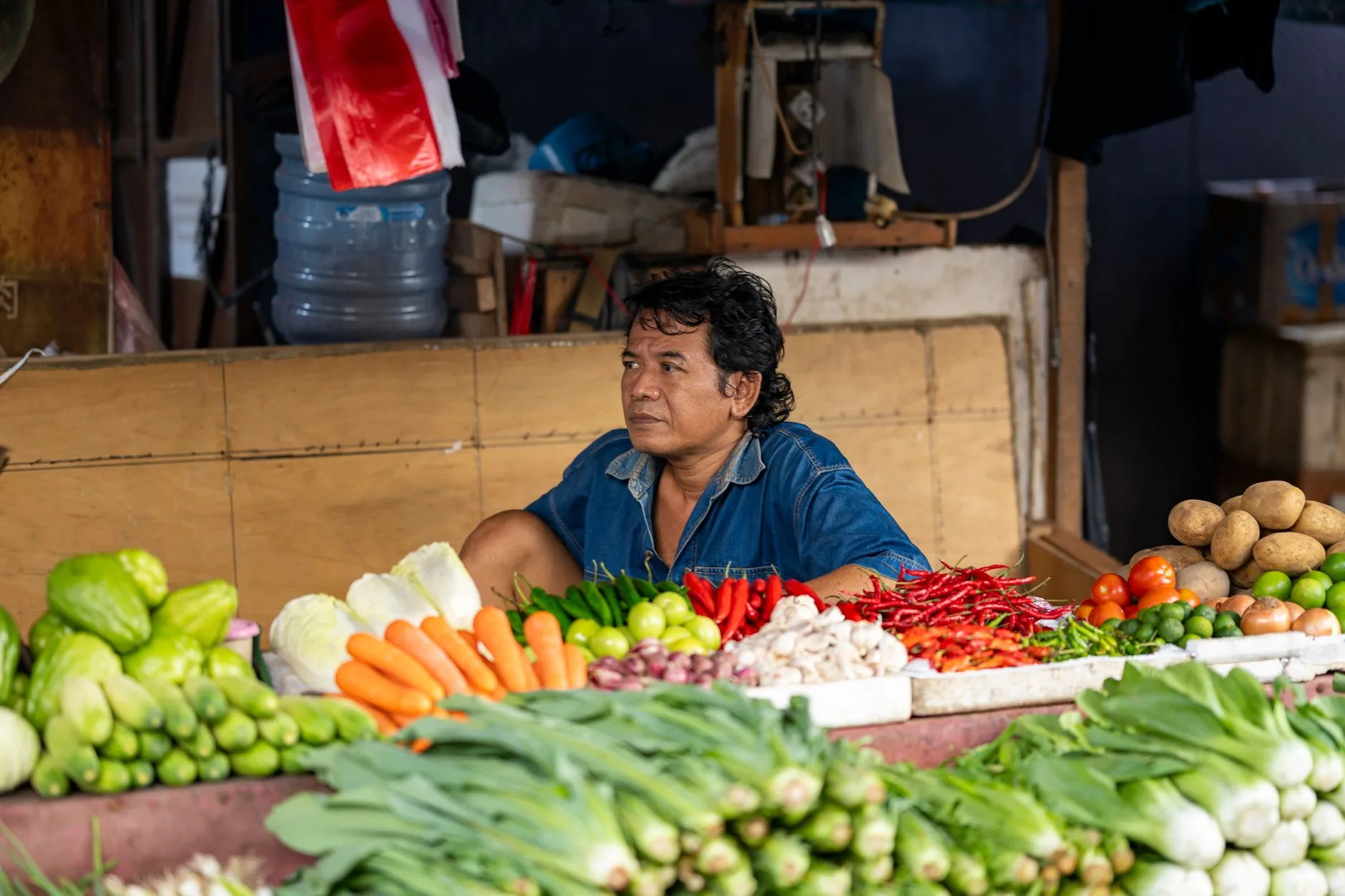
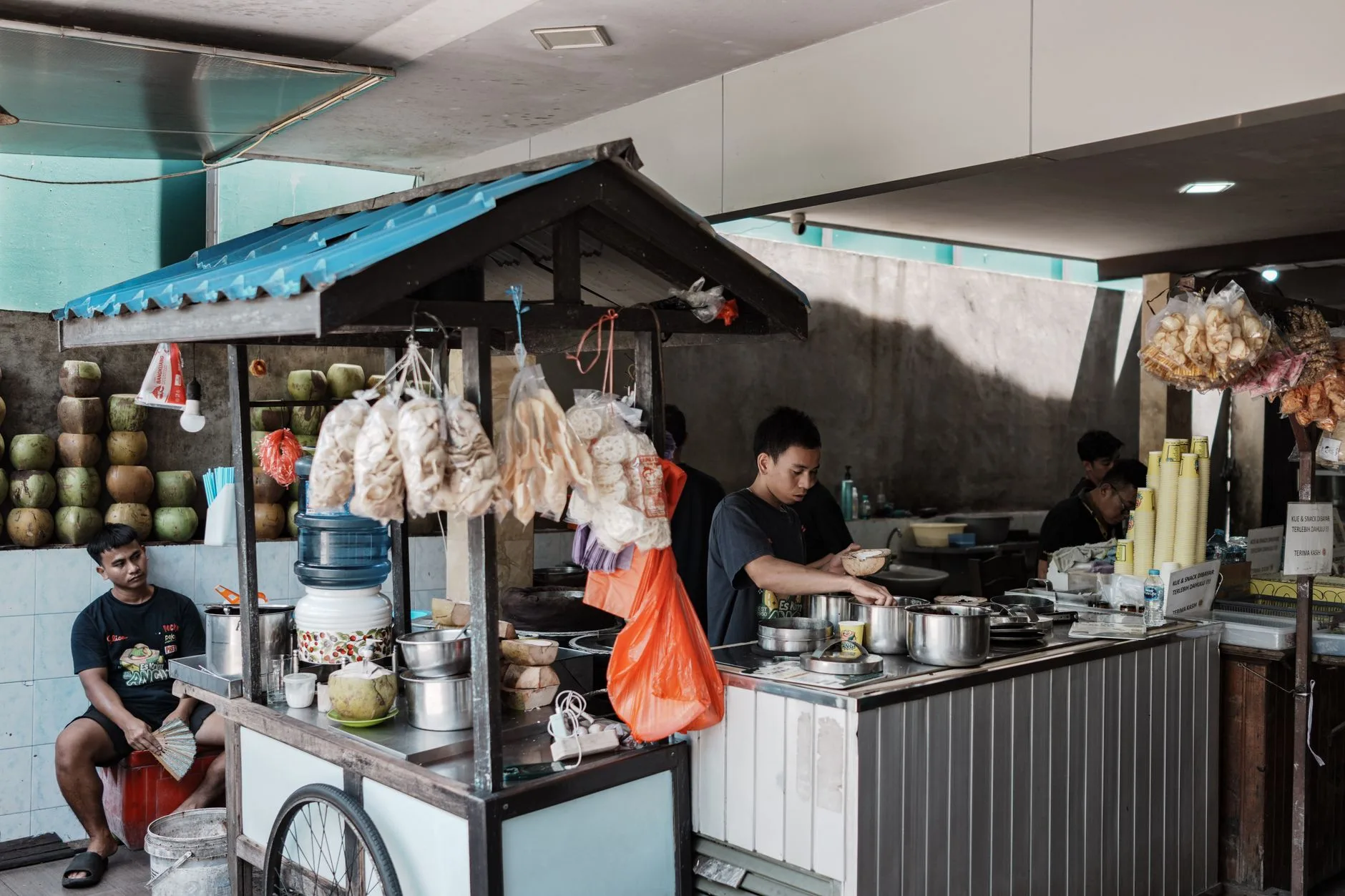
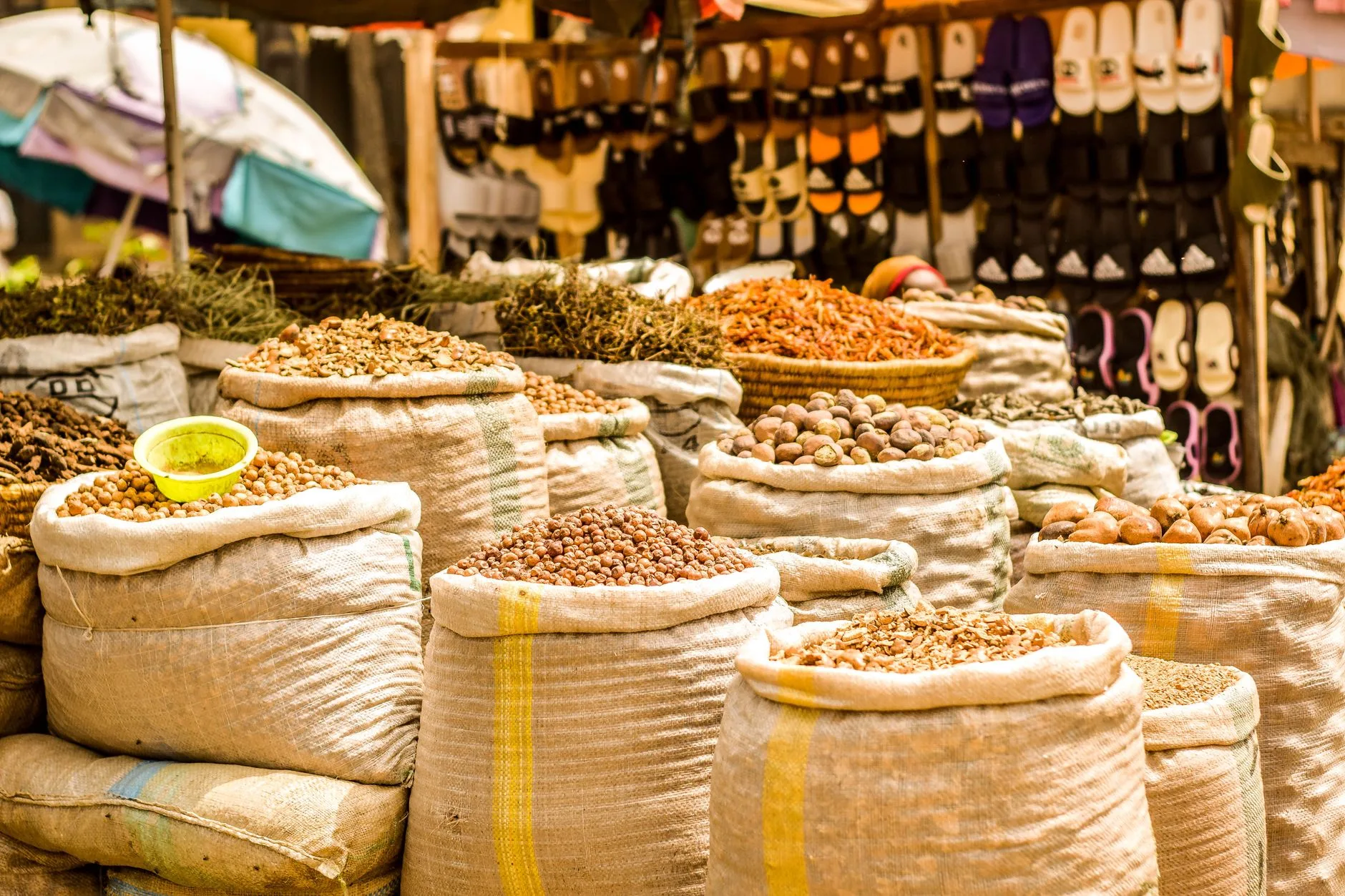
The halal certification obligation applies to business actors, including micro and small enterprises (UMK). However, UMK face different issues from large industries. Their small business scale, limited workforce, and uneven understanding of regulations make the process of fulfilling this obligation not simple.
Legal Framework Affecting UMK
Law Number 6 of 2023 on the Stipulation of the Job Creation Perppu is the latest reference. This regulation simplifies the certification process and introduces a halal statement or self-declare scheme for UMK. This scheme opens the way for micro and small enterprises to fulfill the obligation without going through the longer regular route.
Its technical implementation is further regulated, among others, through Government Regulation Number 42 of 2024 on the Implementation of Halal Product Assurance. This regulation governs the procedures for the establishment, accreditation, and scope of activities of Halal Inspection Bodies (LPH), as well as the appointment of halal auditors. On the other hand, the Head of BPJPH Decree Number 57 of 2021—amended by Kepka 20/2023—serves as a reference for the implementation of the Halal Product Assurance System (SJPH) in business actors. Its five criteria cover commitment and responsibility, materials, halal product processes, products, and monitoring and evaluation.
Typical UMK Issues
For UMK, the five SJPH criteria are not always easy to translate into daily practice. Some issues that often arise include:
- Limited human resources. Not all UMK have dedicated personnel who understand halal regulations. Business owners often double in various roles, including handling certification administration.
- Incomplete material documents. UMK often buy materials from small suppliers without halal certificates. Tracing the origin of materials becomes difficult, especially for materials whose status depends on the source.
- Uneven understanding of critical points. Some materials require further verification. For example, stearic acid or magnesium stearate (E470, E572) which can come from palm oil or animal fat. There is also taurine, which is now generally synthetic, but historically came from bovine bile. Vitamin D3 from lanolin also needs its source to be confirmed.
- Limited access to assistance. The certification process requires assistance, both for the regular and self-declare routes. Not all UMK are close to available assistants.
Critical Point Materials and Their Consequences
In practice, UMK need to recognize materials whose halal status is not automatic. Albumin from egg white, for example, is generally halal, but it still needs to be confirmed free from non-halal mixtures. Meanwhile, stearic acid, taurine, and vitamin D3 from lanolin require further tracing.
Difficulties arise when UMK do not have direct access to supplier information. Supporting documents such as material halal certificates or product specifications become important. Without them, the verification process can be hampered.
Self-Declare Scheme and Its Limitations
The halal statement or self-declare scheme was introduced to ease the burden on UMK. However, this scheme has criteria and limitations. Not all UMK products can use this route. Products with high risk or materials classified as critical points still require the regular process.
Understanding these limitations is important so that UMK do not take the wrong step. Choosing the wrong route can result in rejection or repeated document corrections.
Practical Steps That Can Be Prepared
Despite facing limitations, UMK can prepare several things from the start:
- Identify all materials used, including additives and processing aids.
- Separate materials that are already halal-certified from those that are not.
- Compile a list of suppliers and document the origin of materials.
- Appoint personnel responsible for managing halal documents.
- Understand the flow and requirements of halal certification services, including applicable timeframes and tariffs.
These steps do not guarantee passing, but they help UMK enter the process with better readiness.
The Role of Assistance
Assistance is key for UMK. Assistants help translate regulatory requirements into daily business practice. They also help compile documents and verify materials classified as critical points.
BPJPH sets service standards through Head of BPJPH Decree Number 243 of 2025. This regulation covers 27 types of services, including registration of LP3H and PPH assistants, as well as issuance of halal certificates. The existence of registered assistants is an important part of this ecosystem.
Ultimately, the determination of halalness is the authority of the MUI Fatwa Commission or the Halal Product Fatwa Committee. Halal certificates are only issued by BPJPH. UMK need to understand this division of authority so as not to misunderstand product status.
For UMK who want to tidy up documents and understand material critical points before applying for certification, IndoHalal.id provides UMK Self-Declare Assistance services to help prepare the initial steps.