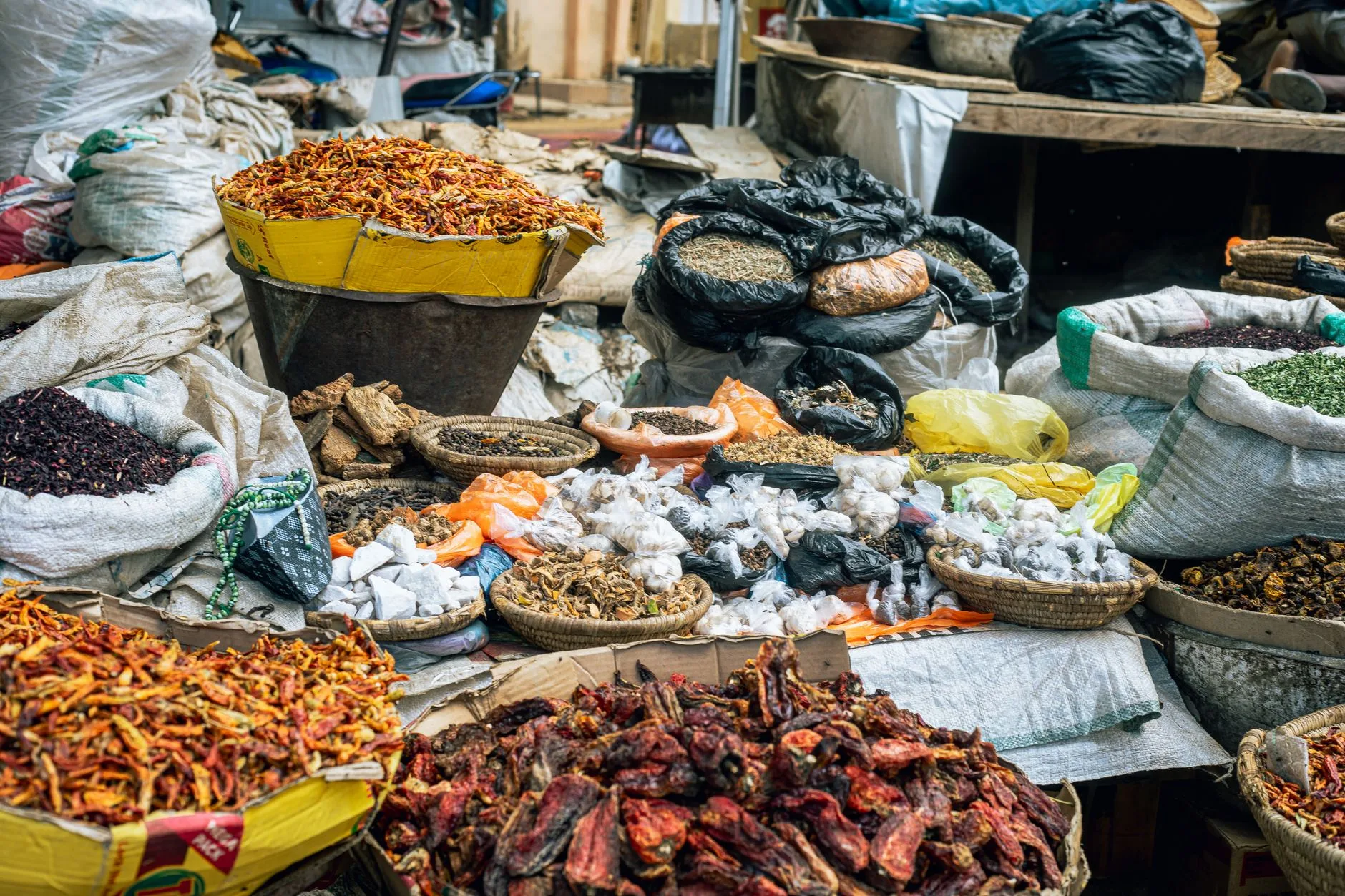
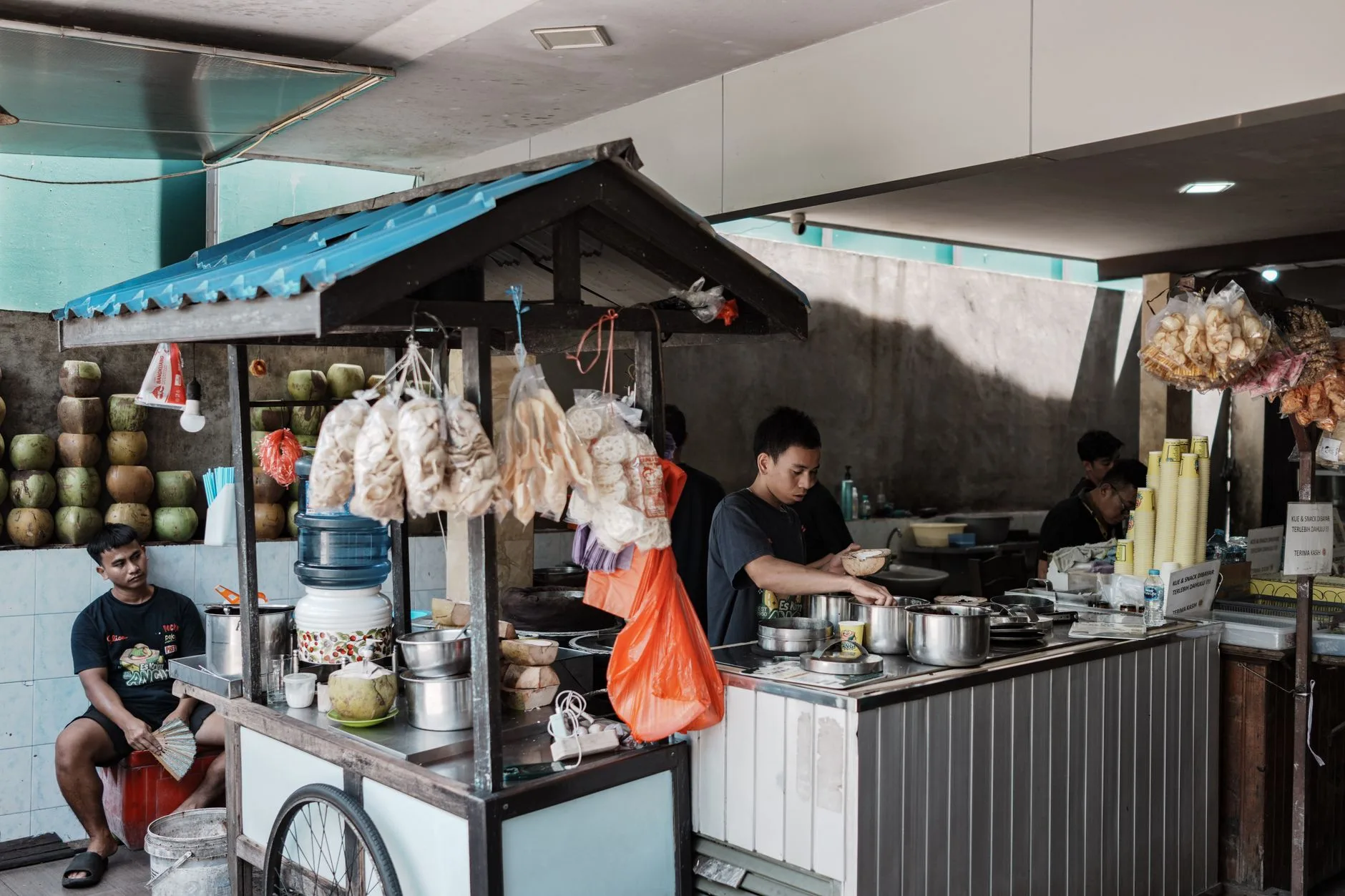
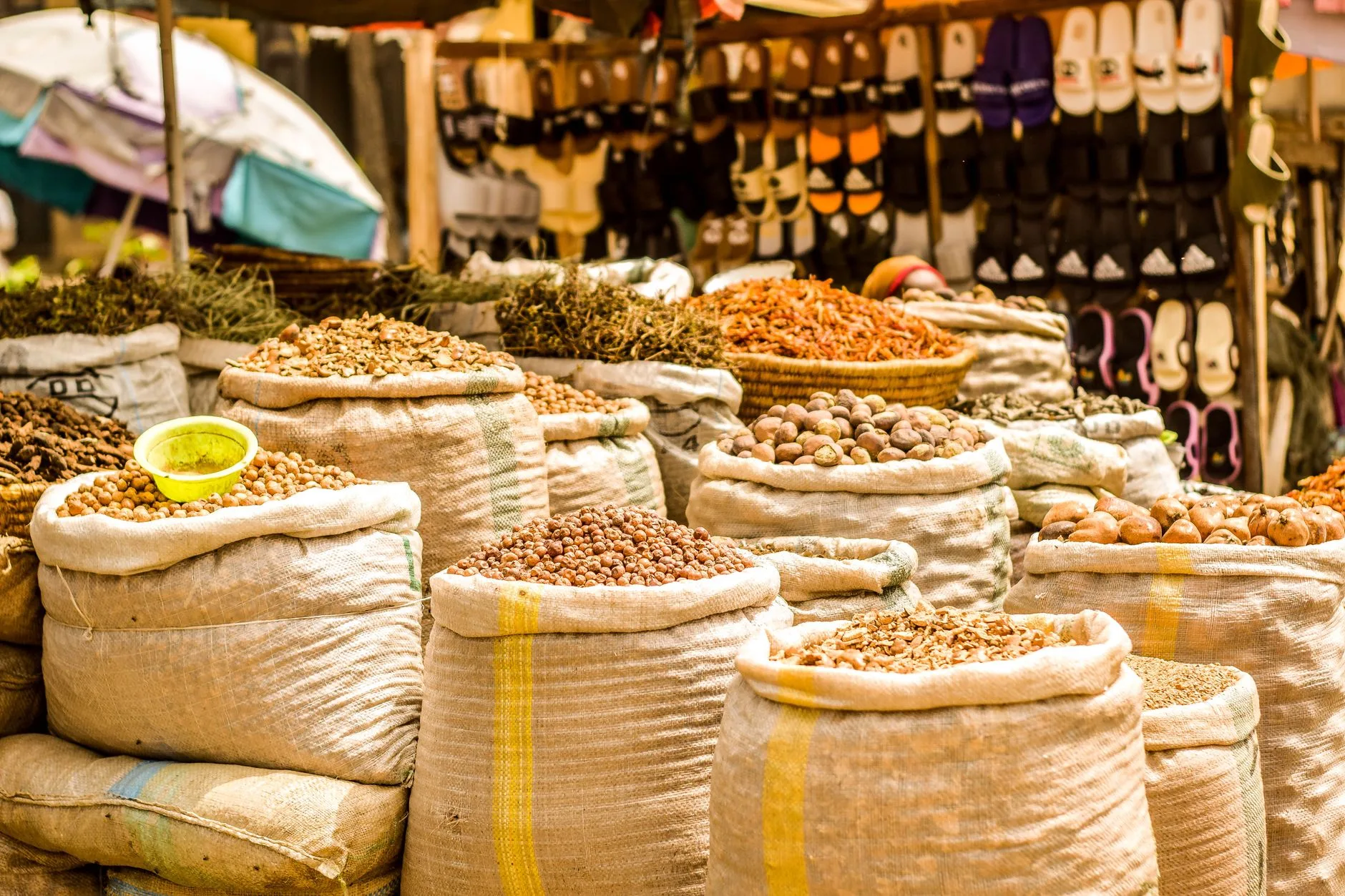
The halal certification requirement touches all business scales, including UMK (micro and small enterprises). The issue is not just the intention to register. There is technical work that must be completed first: ensuring the ingredients used are not at critical points, organizing the production process, and tidying up documents. For UMK with limited teams, these three things can feel heavy.
Critical Point Ingredients That Are Often Unnoticed
Many UMK assume their products are safe because they do not use animal-derived ingredients directly. In fact, critical points can enter through auxiliary ingredients. Some examples that need to be checked:
- Microbial enzymes for glucose syrup, meat tenderizers, juice production, and cheese. Enzymes can be sourced from microbial, plant, or animal sources.
- Whey and caseinate in powdered milk, protein drinks, and bakery products. These milk derivatives are halal, but the cheese-making process from which they come may use animal rennet.
- Stearic acid and magnesium stearate (E470, E572) in instant drink powders, tablets, and cosmetics. These ingredients can come from palm oil or animal fat.
- Albumin from egg white in bakery products. It is generally halal, but still needs to be verified free from non-halal mixtures.
The problem is that UMK rarely receive complete information about ingredient origins from suppliers. Packaging labels often only list generic names. Without supporting documents from suppliers, the status of ingredients is difficult to ascertain.
Tracing Ingredient Origins
The first step is to ask suppliers directly about ingredient origins. For microbial enzymes, look for source information and supporting documents. For whey and caseinate, ensure the manufacturer states the use of microbial rennet or halal-certified animal rennet. For stearic acid and magnesium stearate, look for halal-certified plant-based versions, generally from palm oil.
If the supplier cannot provide information, UMK have two options: replace the ingredient with an alternative whose documents are clear, or record the ingredient as a critical point that needs monitoring. The first option is safer for smooth certification.
Organizing Processes and Documents
Besides ingredients, UMK need to ensure the production process is not mixed with non-halal ingredients. This includes equipment, storage areas, and workflow. Separation does not have to be expensive. What matters is consistency and being able to explain it.
On the document side, the reference for implementing the halal product assurance system on the business actor side is the Head of BPJPH (Halal Product Assurance Agency) Decree Number 57 of 2021 concerning Criteria for the Halal Product Assurance System, which was amended by Kepka 20/2023. This document contains five criteria: commitment and responsibility, ingredients, halal product process, product, and monitoring and evaluation.
For UMK, these five criteria can be translated into simple files: a written halal policy, a list of ingredients along with their origin documents, a production process flow, and monitoring records. What often becomes an obstacle is not the content, but the tidiness and consistency of record-keeping.
Why UMK Need to Involve Other Parties
Halal inspection is carried out by an accredited Halal Inspection Agency (LPH). LPH accreditation refers to SNI ISO/IEC 17065:2012 and is further regulated in Head of BPJPH Decree Number 78 of 2025 concerning Guidelines for Accreditation of Halal Inspection Agencies. This standard regulates impartiality, confidentiality, personnel competence, complaint and appeal management, and accountability.
The procedures for establishment, accreditation, scope of activities, and revocation of LPH approval are regulated in Government Regulation Number 42 of 2024 concerning Implementation of the Halal Product Assurance Sector, replacing PP 39/2021. This regulation also governs the appointment and dismissal of Halal Auditors.
This means UMK will deal with inspectors who work based on standards. The tidier the ingredients and documents from the start, the smoother the inspection process.
Practical Steps for UMK
- List all ingredients, including auxiliary ingredients and additives.
- Mark ingredients that fall into the critical point category: enzymes, whey, caseinate, stearate, albumin.
- Request ingredient origin documents from suppliers. If unavailable, look for halal-certified alternatives.
- Record the production process flow and ensure there is no mixing with non-halal ingredients.
- Prepare simple files according to the five SJPH criteria: policy, ingredients, process, product, monitoring.
The determination of product halalness is the authority of the MUI Fatwa Commission or the Halal Product Fatwa Committee. Halal certificates are only issued by BPJPH. Therefore, the task of UMK is to prepare ingredients, processes, and documents as well as possible, not to determine halal status themselves.
If you want to organize all SJPH criteria in one place, including ingredient registry and critical points, the SJPH platform from IndoHalal.id can help map your business certification readiness.