Unpacking Critical Points of Ingredients and How to Trace Them
The halal critical point of an ingredient is not always the ingredient itself, but its origin and process. Get to know four examples of ingredients and how to trace them.
Critical points of ingredients are not always visible on the label. There are ways to trace them through supplier documents and ingredient registries.
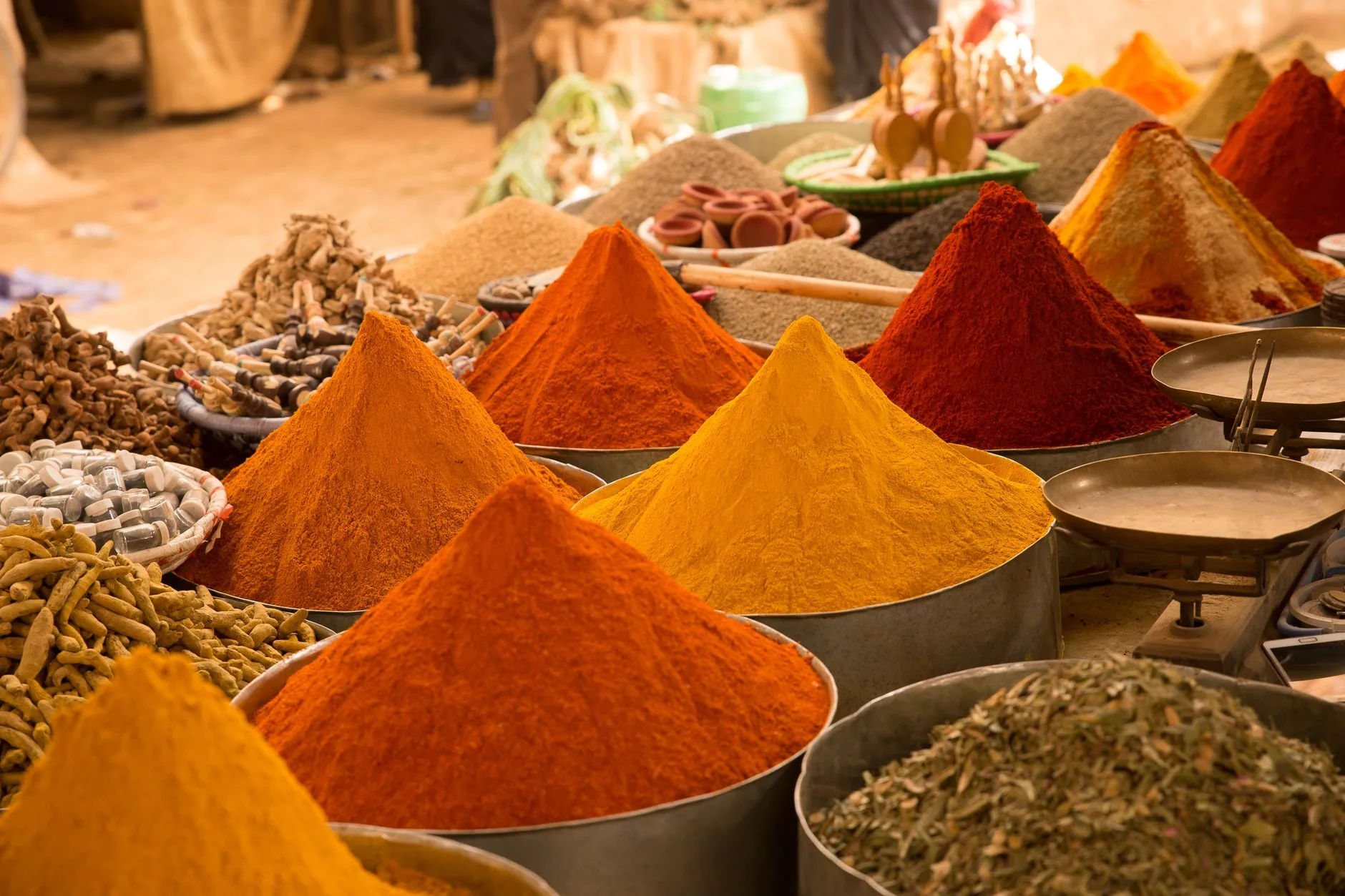
Packaging labels rarely mention the full origin of ingredients. What is printed is usually a generic name: emulsifier, flavoring, clarifier. Yet that is exactly where halal critical points often hide. A critical point is a part of an ingredient or process that could make a product non-halal, and to trace it, businesses need to read more than just the label.
Labels answer the question "what is the name of the ingredient", not "where does that ingredient come from". Two products can list the same word yet have a different halal status. Therefore, tracing must go down to documents: ingredient specifications, supplier halal certificates, or the production flow of that ingredient.
Kepka BPJPH 57/2021 on the Criteria for the Halal Product Assurance System places ingredients as one of the five criteria of SJPH. This means tracing ingredients is not an additional task, but part of the system that businesses must indeed build.
Gelatin is a thickening protein from animal collagen. Its status depends on the source. Gelatin is called halal only when the source and the slaughtering are clear. This ingredient appears in marshmallows, jelly candies, medicine and supplement capsules, ice cream, yogurt, and some bakery products.
What needs to be traced: what animal is the source of the collagen, and how was it slaughtered. Alternatives include fish gelatin, halal-certified beef gelatin, or agar and carrageenan as plant-based substitutes.
Isinglass is a clarifying agent from fish swim bladders. This ingredient is commonly used in beer and wine, and some packaged juices. The tracing questions are: what type of fish, and whether this clarifying agent remains in the final product. For non-alcoholic beverage products, plant-based clarifiers such as bentonite or carrageenan can be an option.
Yeast is a fermentation microorganism that is generally halal. The critical point is not the yeast itself, but its growth medium. This medium needs to be checked. Yeast with a halal-certified plant-based growth medium is generally already the standard in modern industry. Yeast is used in bread, non-alcoholic beer, fermented products, and instant yeast for household packaging.
Vanilla extract is a natural vanilla flavoring whose industry standard uses ethanol as the extraction solvent. Its status depends on the source and process. What needs to be traced: what solvent is used and how it is handled. Alternatives include vanilla powder, synthetic vanillin, or vanilla extract with a water or glycerin solvent that is halal-certified. This ingredient appears in cakes, pudding, ice cream, and premium coffee and chocolate drinks.
Tracing critical points does not mean determining the halal status of a product yourself. The determination of halalness is the authority of the MUI Fatwa Commission or the Halal Product Fatwa Committee, and certificates are only issued by BPJPH. The task of businesses is to prepare complete and accountable data.
From a regulatory perspective, PP 42/2024 governs the implementation of the halal product assurance field, including matters related to LPH and Halal Auditors. Meanwhile, SNI ISO/IEC 17065:2012 is the standard referenced in LPH accreditation, covering impartiality, confidentiality, personnel competence, and complaint and appeal management. For businesses, these two references explain that ingredient tracing will be tested by a competent and independent party, not merely self-reported.
Therefore, the quality of the ingredient registry determines the smoothness of the process. Ingredients whose critical points are clear and whose documents are tidy are easier to verify. Ingredients left without tracing could potentially hold up the entire process at the inspection stage.
To tidy up the ingredient registry, critical points, and audit readiness in one place, IndoHalal.id provides an SJPH platform that helps businesses manage SJPH criteria in a structured way.
The halal critical point of an ingredient is not always the ingredient itself, but its origin and process. Get to know four examples of ingredients and how to trace them.
The halal critical points of ingredients are not always visible in the ingredient name. Proper tracing starts from the source and process through to supporting documents.
These three ingredients are common on packaging labels, but their halal status depends on the source and supplier documents. Tracing them requires a systematic approach.
The first consultation costs nothing. Median reply under 15 minutes during business hours.
Ask certified halal consultants and auditors directly.
Jawaban konsultan bersifat panduan teknis. Penetapan kehalalan produk adalah kewenangan Komisi Fatwa MUI atau Komite Fatwa Produk Halal, dan sertifikat halal hanya diterbitkan oleh BPJPH.