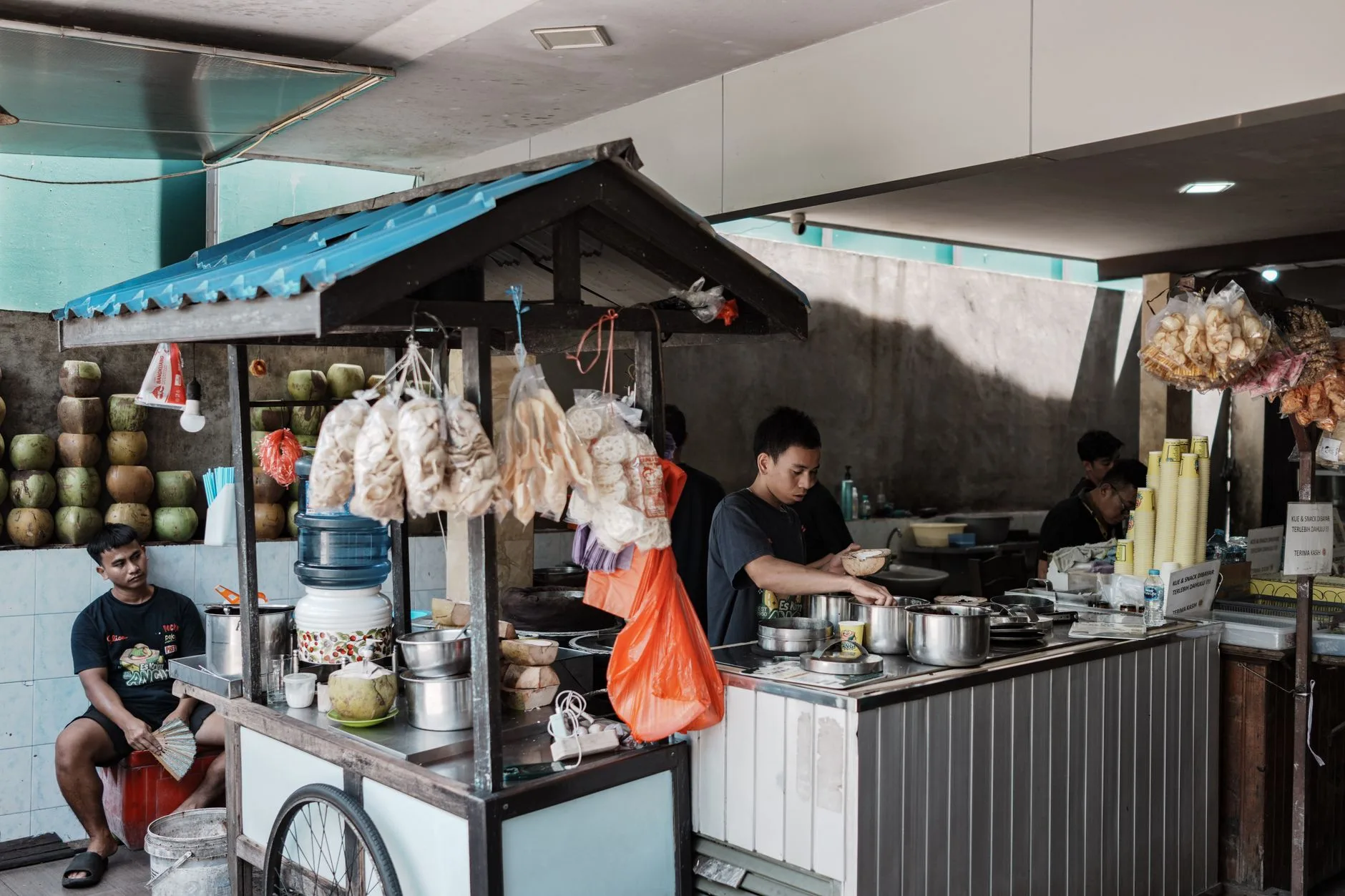
MSEs and Halal Certification: The Question of Commitment and Systems
The halal certification obligation requires MSEs to build a system, not merely complete documents. Commitment and monitoring are the most fragile points.
For MSMEs, the obstacle to halal certification is often not intention or cost, but the ability to trace the origin of ingredients down to supplier documents.
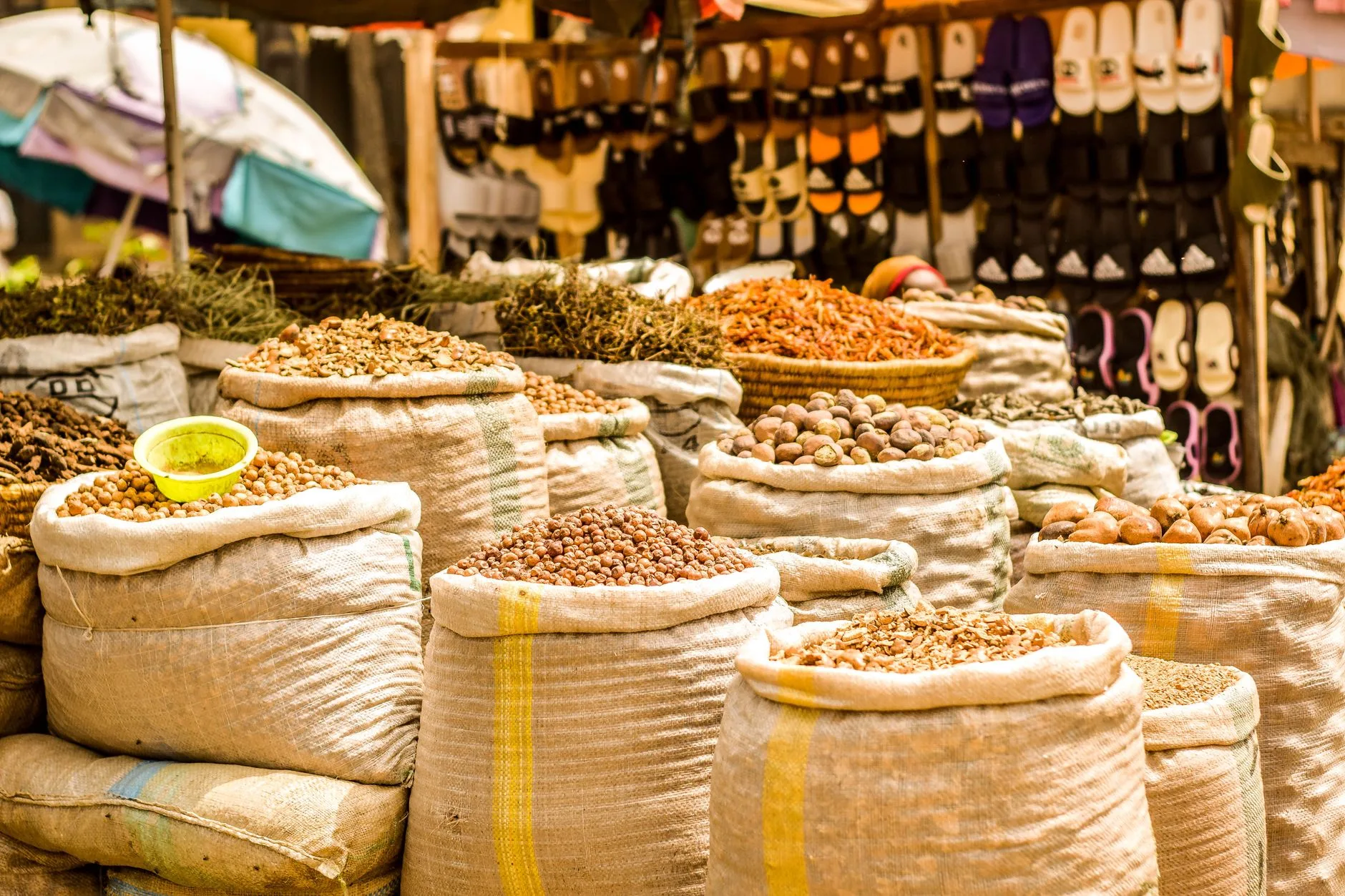
Many MSMEs already understand the importance of halal certification. However, when they begin the process, they often run into a problem that is not always visible on the surface: raw material traceability. It is not merely knowing what ingredients are used, but being able to prove their origin in writing down to the supplier.
Halal certification does not stop at a statement that a product contains no pork or alcohol. The process requires evidence that every ingredient entering the production line has a clear and accountable origin. This is where MSMEs often face difficulties.
MSMEs generally buy ingredients from small distributors or markets. Purchase documents are simple receipts, without information on the original producer. When asked to trace the source of ingredients, MSMEs do not have adequate records. As a result, the certification process is held up not because the product is problematic, but because the documents are incomplete.
Some ingredients require special attention because their halal status depends on the source. Available critical point data provide a concrete picture.
For MSMEs, the issue is not only whether these ingredients are present in the product. The issue is whether MSMEs can show documents explaining the origin of these ingredients when asked.
Ingredient traceability is closely tied to the supply chain. MSMEs that buy from small distributors often do not receive adequate information about the original producer. Large producers usually have halal certificates for the ingredients they sell, but that information does not always reach buyers at the lower level.
There are also ingredients bought in large packaging and then repacked into small packaging. In that process, the producer's identity and certificate number can be lost. MSMEs then find it difficult to reconstruct the origin of ingredients when preparing documents.
Another problem arises when MSMEs use bulk or unbranded ingredients. The price is cheaper, but origin information is unavailable. In the short term this is beneficial, but it complicates the certification process.
MSMEs do not have to wait for everything to be perfect to start improving traceability. The following steps can be taken gradually.
These steps do not guarantee that certification will be completed automatically. However, organized traceability makes the inspection process easier and reduces the possibility of documents being returned as incomplete.
Some MSMEs find it burdensome to trace the origin of every ingredient themselves. This is where assistance plays a role. Facilitators can help map which ingredients need deeper tracing, prepare a list of questions for suppliers, and organize existing documents.
It should be noted that determining the halal status of a product is the authority of the MUI Fatwa Commission or the Halal Product Fatwa Committee. Halal certificates are issued only by BPJPH. Assistance focuses on document and system readiness, not on determining the halal status of the product.
Ingredient traceability is work that piles up if postponed. The longer MSMEs sell without recording ingredient origins, the harder it is to reconstruct the information when needed. Conversely, the habit of recording purchases and keeping supplier information will make the certification process easier in the future.
For MSMEs that want to organize ingredient traceability while preparing certification documents, IndoHalal.id provides regular halal certification assistance services that guide the process from readiness assessment to certificate issuance.
The halal certification obligation requires MSEs to build a system, not merely complete documents. Commitment and monitoring are the most fragile points.
The halal certification requirement is already regulated. For UMK, the obstacle that most often arises is actually simple: ingredient documents from suppliers that are hard to trace.
The halal certification requirement obliges UMK (micro and small enterprises) to prepare ingredients, documents, and personnel. The halal declaration scheme helps, but does not remove all burdens.
The first consultation costs nothing. Median reply under 15 minutes during business hours.
Ask certified halal consultants and auditors directly.
Jawaban konsultan bersifat panduan teknis. Penetapan kehalalan produk adalah kewenangan Komisi Fatwa MUI atau Komite Fatwa Produk Halal, dan sertifikat halal hanya diterbitkan oleh BPJPH.