MSEs and Halal Certification: The Question of Commitment and Systems
The halal certification obligation requires MSEs to build a system, not merely complete documents. Commitment and monitoring are the most fragile points.
The halal certification requirement obliges UMK (micro and small enterprises) to prepare ingredients, documents, and personnel. The halal declaration scheme helps, but does not remove all burdens.
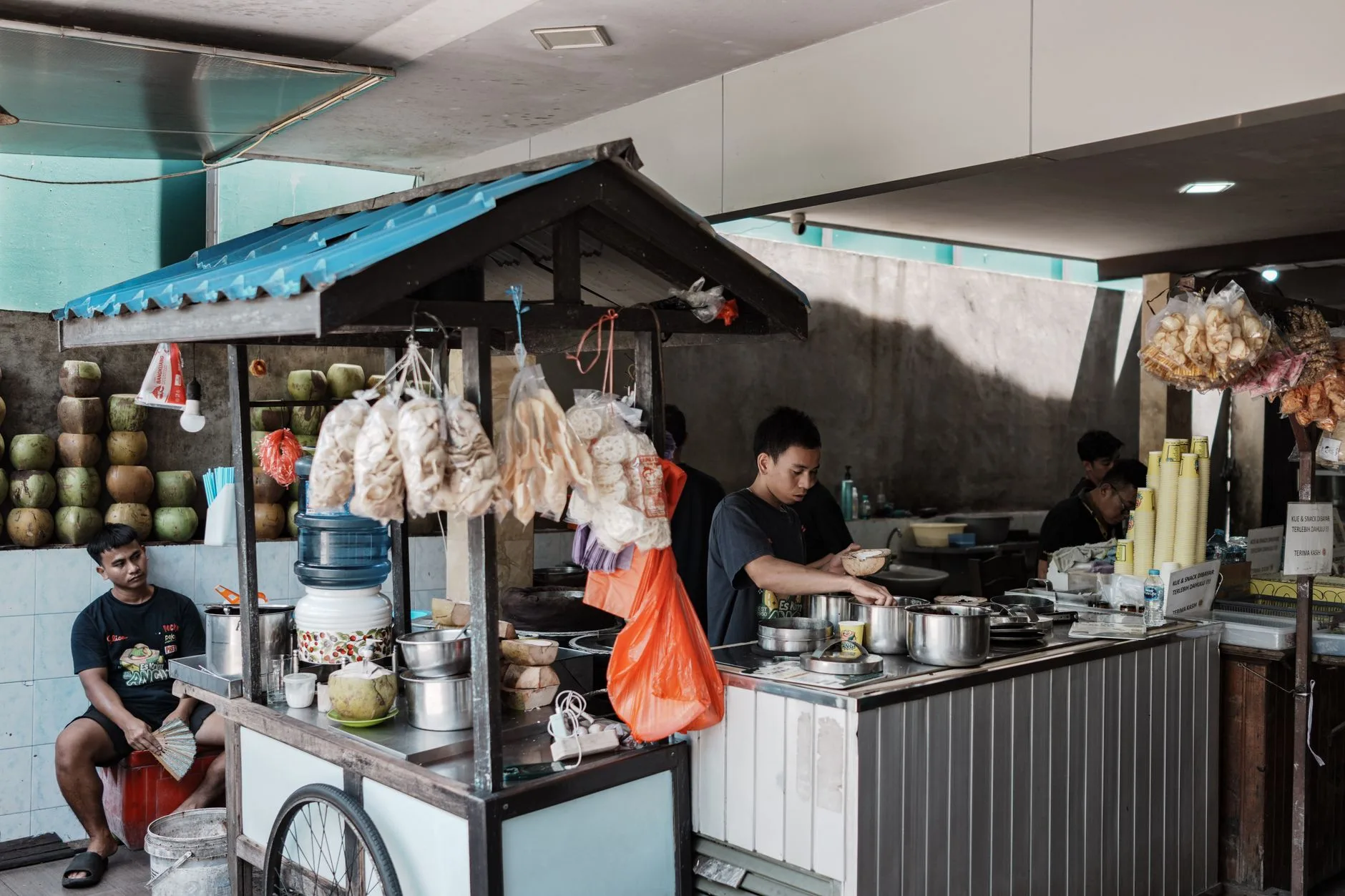
The halal certification requirement applies to products falling within the groups stipulated by regulation. For micro and small enterprises, this obligation often feels heavy not because of a single factor, but because several problems arise at once. This article discusses the typical problems UMK face in meeting this obligation, grounded in the applicable regulations.
The halal certification requirement is rooted in Law Number 33 of 2014 on Halal Product Assurance. The regulation governs the certification obligation, the establishment of BPJPH (Halal Product Assurance Agency), the role of LPH (Halal Inspection Agency), and MUI's authority in determining product halalness.
Through Law Number 6 of 2023, the certification process was simplified. This regulation introduced the halal declaration scheme (self-declare) for UMK and opened the way for the Halal Product Fatwa Committee. For UMK, this scheme offers a more streamlined pathway compared with the regular procedure.
The product groups subject to mandatory halal certification, along with their phased timelines, are set out in Minister of Religious Affairs Decree Number 748 of 2021, later amended by KMA 944/2024. Meanwhile, implementation procedures, including the establishment and accreditation of LPH and the appointment of Halal Auditors, are governed by Government Regulation Number 42 of 2024, replacing PP 39/2021.
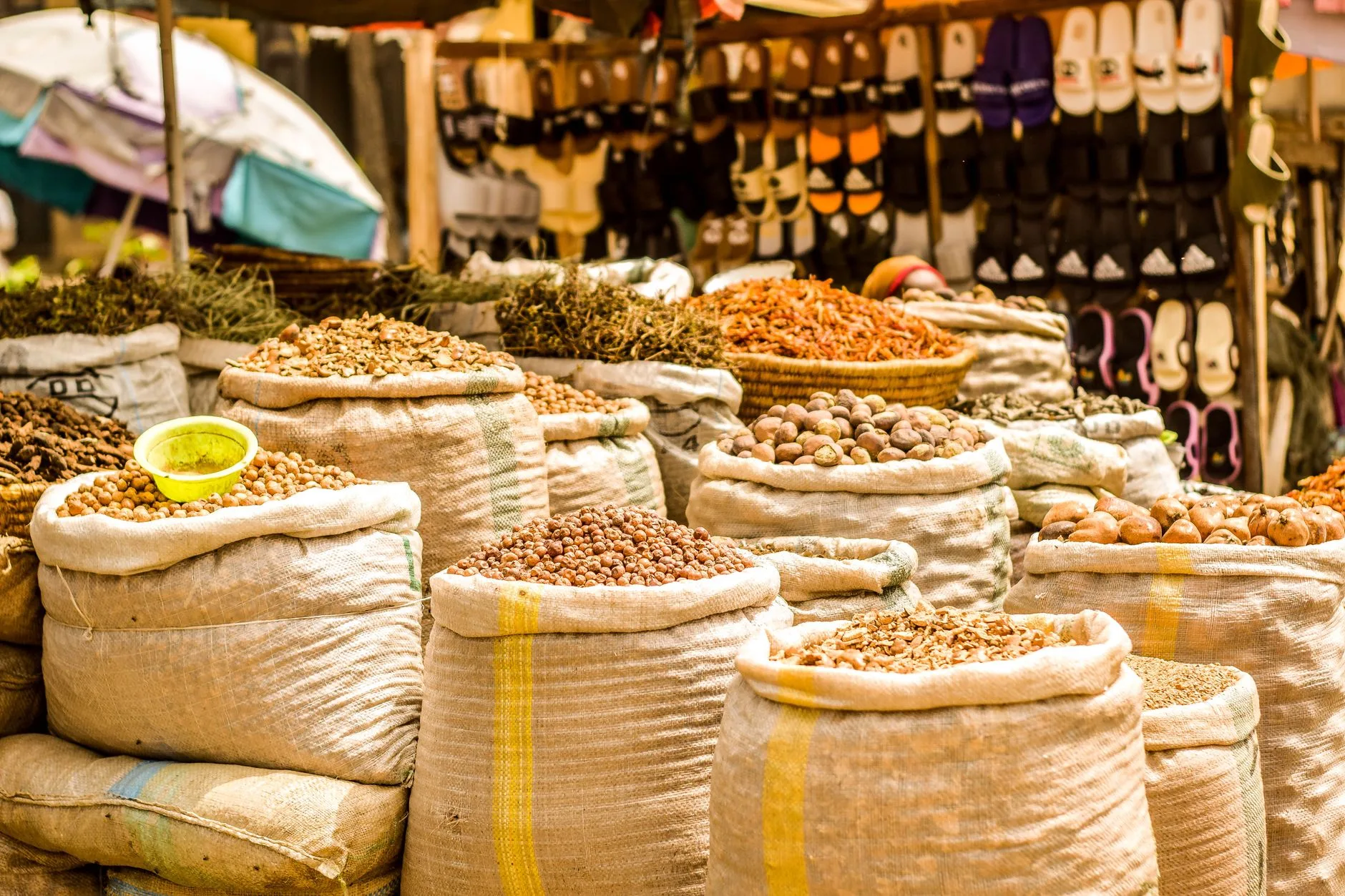
The most fundamental problem for UMK is knowing the origin of the ingredients used. Many ingredients do not state their source explicitly on the packaging. A few examples show why this matters.
For UMK, difficulties arise when suppliers cannot provide information on the source of ingredients. Without that information, document preparation stalls.
Any scheme, including the halal declaration, requires documentary support regarding the ingredients used. UMK often rely on small suppliers who do not hold halal certificates for the ingredients they sell. Requesting additional information from suppliers can take time, while business operations must continue.
This problem is practical in nature: UMK need to identify which ingredients are truly critical points, then focus attention on those ingredients. Not all ingredients require the same in-depth tracing.
Implementing halal product assurance requires personnel who understand the criteria and are able to run the system at the enterprise level. In micro and small enterprises, this task is often doubled up by the owner or a single employee. As a result, document preparation and ingredient tracing proceed inconsistently.
The need for personnel who understand this system aligns with the provisions on halal supervisors. The availability of competent people within the enterprise is a determining factor in how smoothly the process runs.
The reference data does not contain cost figures or program quotas. Therefore, discussion of costs should be directed at matters UMK can control: choosing a pathway suited to the business scale, preparing documents from the outset, and avoiding repeated inspections due to incomplete data.
The halal declaration scheme for low-risk UMK provides a more streamlined pathway. However, this pathway still requires readiness of ingredients and documents. A more streamlined scheme does not remove the obligation to ensure that the ingredients used have a clear origin.
It should be noted that the determination of halalness is the authority of the MUI Fatwa Commission or the Halal Product Fatwa Committee. Certificates are issued only by BPJPH. Therefore, the task of UMK is to prepare evidence and a system that can be inspected, not to determine the halal status of their own products.
The problems UMK face in halal certification generally stack up around three things: ingredient traceability, completeness of supplier documents, and personnel capacity. Regulations have provided a more streamlined pathway for UMK, but internal readiness remains the determining factor. For businesses wishing to gradually establish the criteria of a halal product assurance system, IndoHalal.id provides an SJPH (Halal Product Assurance System) platform to manage halal policy, ingredient registers, critical points, and internal audits in a single application.
The halal certification obligation requires MSEs to build a system, not merely complete documents. Commitment and monitoring are the most fragile points.
The halal certification requirement is already regulated. For UMK, the obstacle that most often arises is actually simple: ingredient documents from suppliers that are hard to trace.
For MSMEs, the obstacle to halal certification is often not intention or cost, but the ability to trace the origin of ingredients down to supplier documents.
The first consultation costs nothing. Median reply under 15 minutes during business hours.
Ask certified halal consultants and auditors directly.
Jawaban konsultan bersifat panduan teknis. Penetapan kehalalan produk adalah kewenangan Komisi Fatwa MUI atau Komite Fatwa Produk Halal, dan sertifikat halal hanya diterbitkan oleh BPJPH.