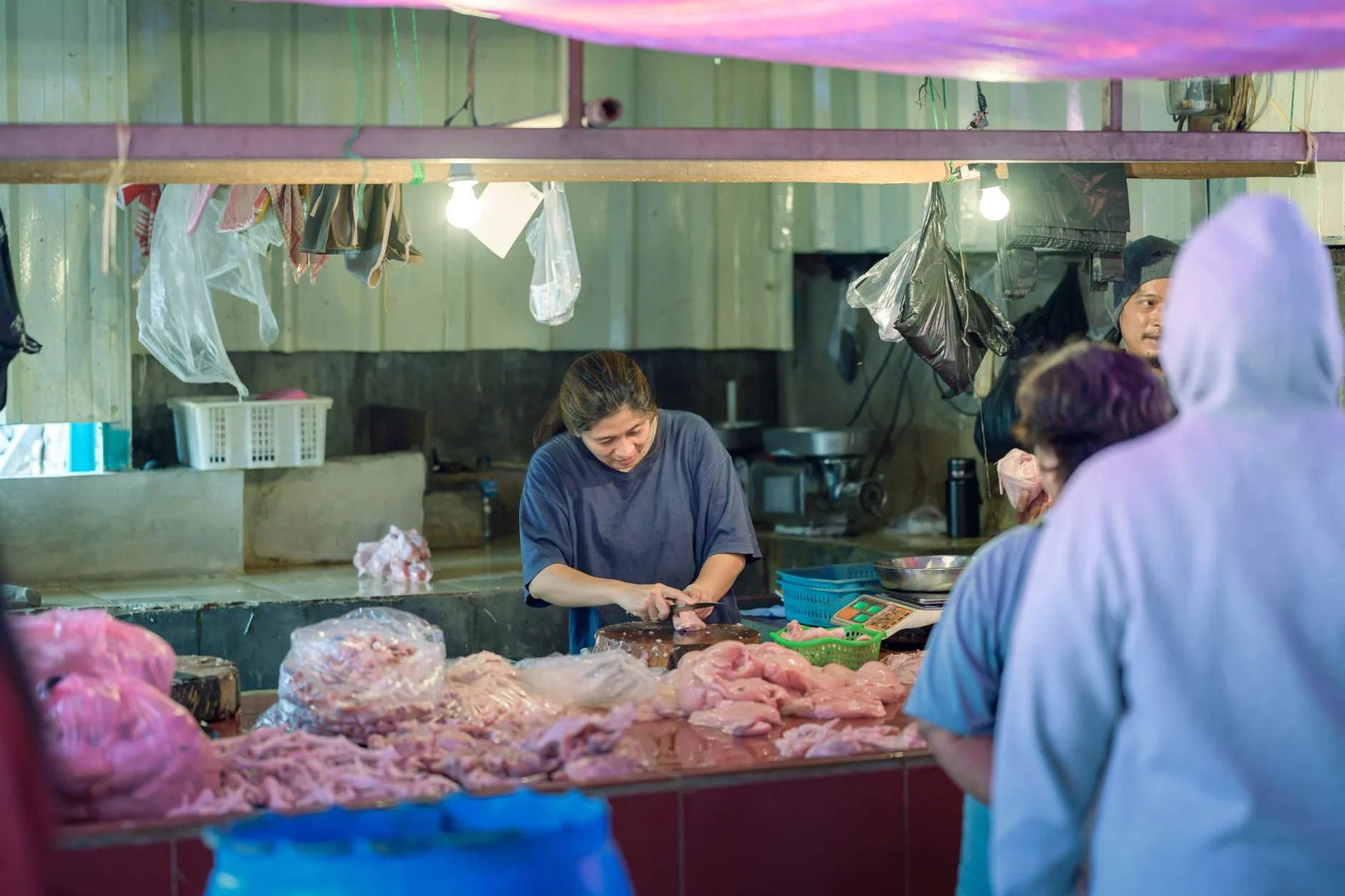
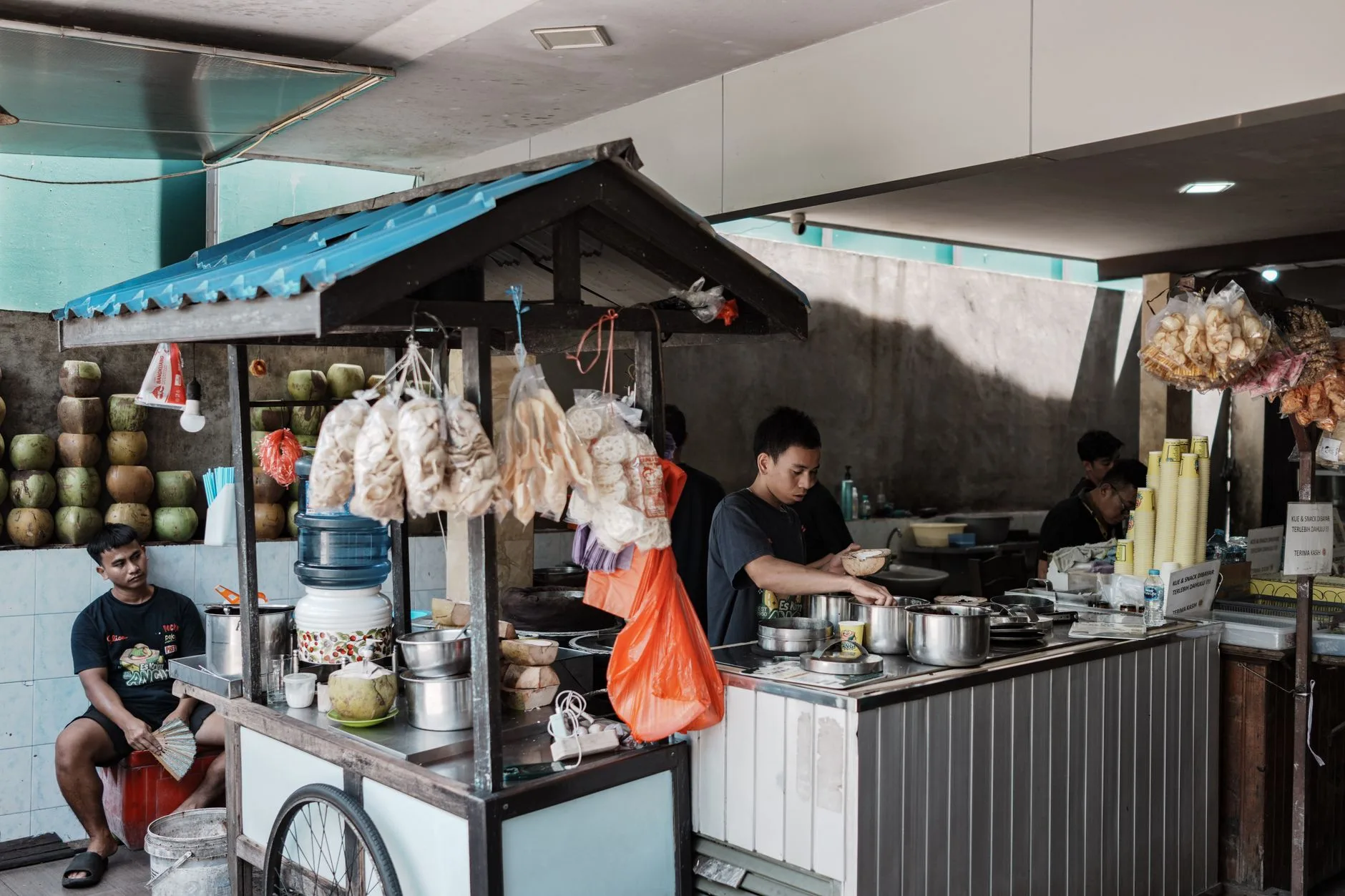
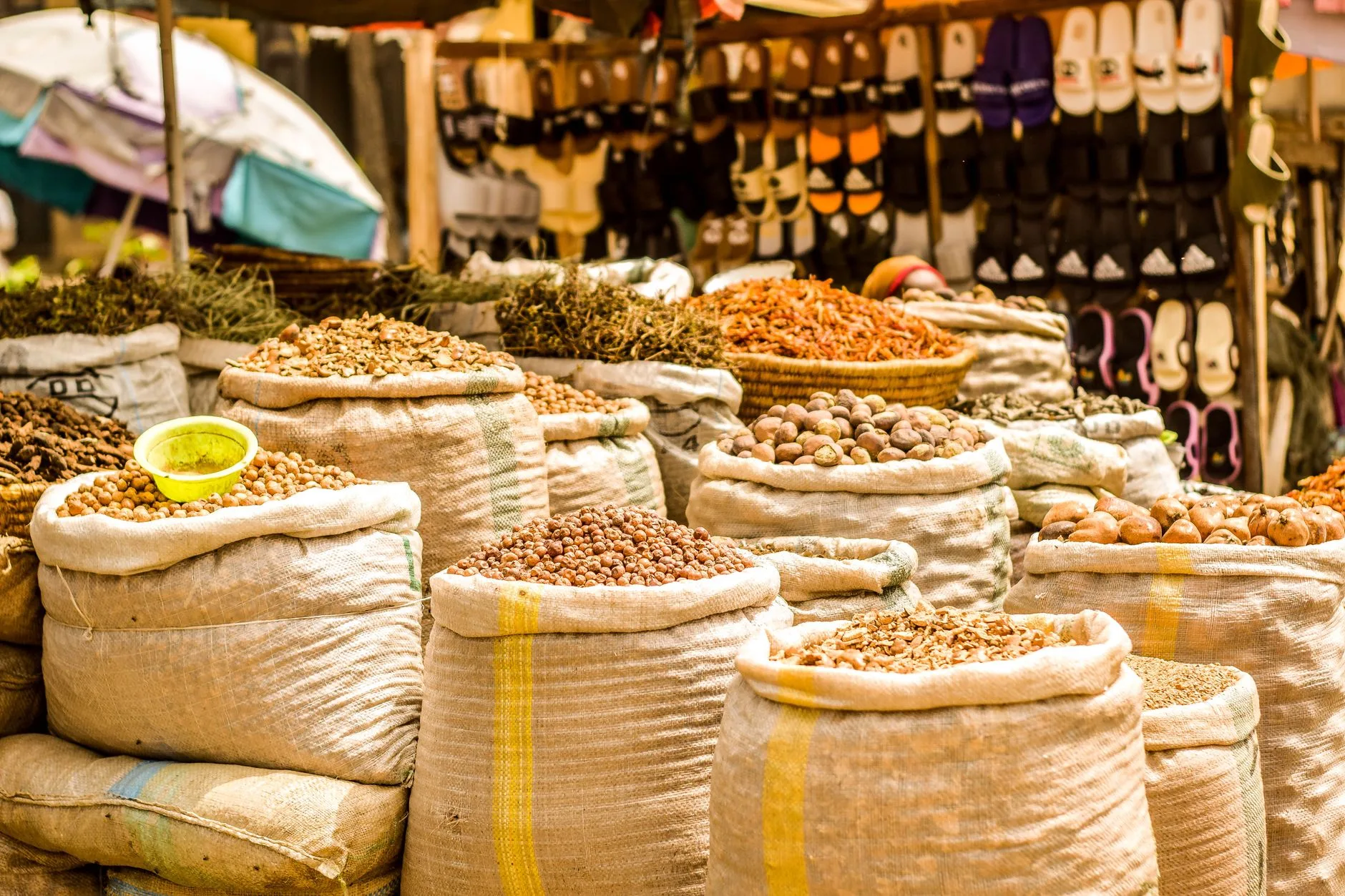
The problems of UMK in halal certification are often discussed as matters of documents and costs. There is another problem rarely raised: mixed production lines. One kitchen, one utensil, one container, used alternately for different products. This condition is common in micro and small businesses, and directly affects certification readiness.
Why mixed production lines become a problem
The halal product assurance system rests on verifiable separation. The ingredients used must have clear origins, and the process must be traceable. When one utensil is used for several products with different ingredients, the question that arises is not only what the ingredients are, but also whether the previous use can be accounted for.
In small businesses, this appears in simple forms. One baking pan is used for sponge cake and for products that use a glossy coating. One wok is used to fry several types of filling. One grinding machine is used for several doughs.
Critical points that often appear in UMK kitchens
Several ingredients commonly used by UMK have a status that cannot be ascertained without documents from the supplier.
- Shellac (E904). A glossy coating from the resin of the lac insect. Materially it is generally tolerated, but the process needs to be checked. Often used as a glossy coating for candy, medicinal pills or supplements, and fresh fruit coating.
- Microbial enzymes for food processing. A broad category of enzymes such as amylase, protease, and lipase. Their sources can be microbial, plant, or animal. Used among others in glucose and fructose syrup, meat tenderizer, juice and cheese production, and dishwashing detergent that contacts food indirectly.
- Mechanically separated meat (MSM). Meat remnants from bones extracted by machine. At risk of being mixed from various types of animals. Commonly used in sausages, nuggets, meatballs, and economically priced processed meat products.
- Yeast. Generally halal, but its growth medium needs to be checked. Used in bread, fermented products, and household packaged instant yeast.
For UMK, the problem is not merely knowing this list. The problem is obtaining source documents from suppliers. Ingredient purchases are often made in small quantities, sometimes without detailed receipts, sometimes from retailers who do not pass on information about the origin of ingredients.
The self-declare path and its limits
The halal declaration path is available for low-risk micro and small businesses. However, this path still demands clarity of ingredients and process. When production lines are mixed, risk assessment is no longer simple. A product that appears low-risk can become complicated because it comes into contact with ingredients whose status is not yet clear.
Practical steps that can be started
- Separate the ingredient list per product. Record the brand, supplier, and batch number if available.
- Mark ingredients whose status is uncertain. Start with those included in critical points.
- Request source documents from the supplier. If the supplier cannot provide them, consider replacing the ingredient.
- Choose alternatives that are easier to trace. For shellac, halal-certified shellac with verified solvents or plant-based coatings such as pure carnauba wax can be used. For enzymes, halal-certified microbial enzymes from fermentation with source documents from the supplier can be chosen. For yeast, yeast with halal-certified plant-based growth media is generally already the modern industry standard.
- Record the order of utensil use. If one utensil is used alternately, write down the cleaning procedure carried out.
The regulatory framework that needs to be understood
The obligation of halal certification for certain product groups is stipulated through Minister of Religious Affairs Decree Number 748 of 2021, which was later amended by KMA 944/2024. The implementation of the halal product assurance field is regulated in Government Regulation Number 42 of 2024, replacing PP 39/2021. This regulation governs the procedures for establishment, accreditation, scope of activities, and revocation of LPH approval, as well as the appointment and dismissal of Halal Auditors.
For inspection bodies, accreditation guidelines are regulated in the Decree of the Head of BPJPH Number 78 of 2025. These guidelines refer to SNI ISO/IEC 17065:2012, a standard that governs impartiality, confidentiality, personnel competence, complaint and appeal management, and accountability.
It should be remembered that the determination of halalness is the authority of the MUI Fatwa Commission or the Halal Product Fatwa Committee. Certificates are only issued by BPJPH.
Start from what is closest
For UMK, the problem of mixed production lines is not always solved by adding equipment. What is more decisive is orderly record-keeping. What ingredients come in, from whom, and for what products they are used. When these records are tidy, the discussion of critical points becomes shorter and the certification process is easier to prepare.
To tidy up halal policy, ingredient registry, critical points, and certification readiness in one place, the SJPH platform from IndoHalal.id can help business actors manage all SJPH criteria in a structured manner.